
Aquatic Park Tombstones
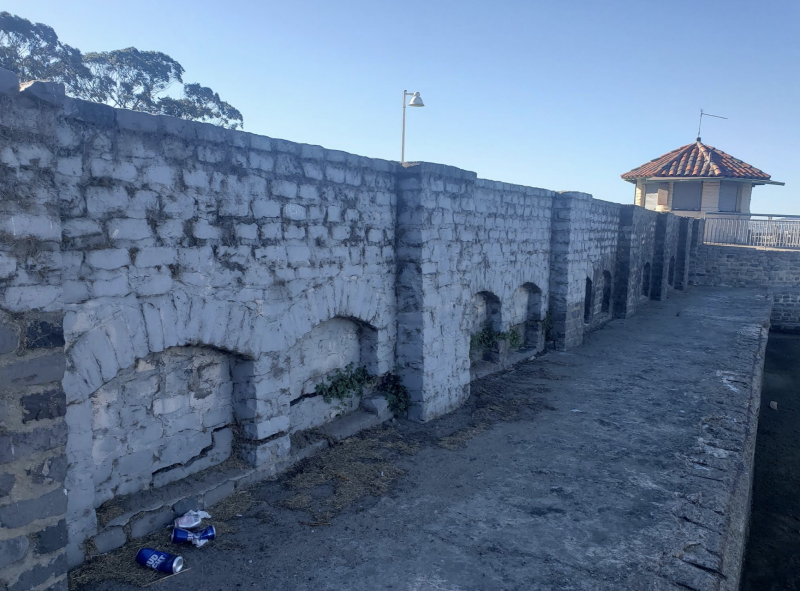
The seawall at Aquatic Park is built with real tombstones from San Francisco’s relocated 19th-century cemeteries. Names and dates still visible in the concrete if you look closely.
The seawall at Aquatic Park is built with real tombstones from San Francisco’s relocated 19th-century cemeteries. Names and dates still visible in the concrete if you look closely.
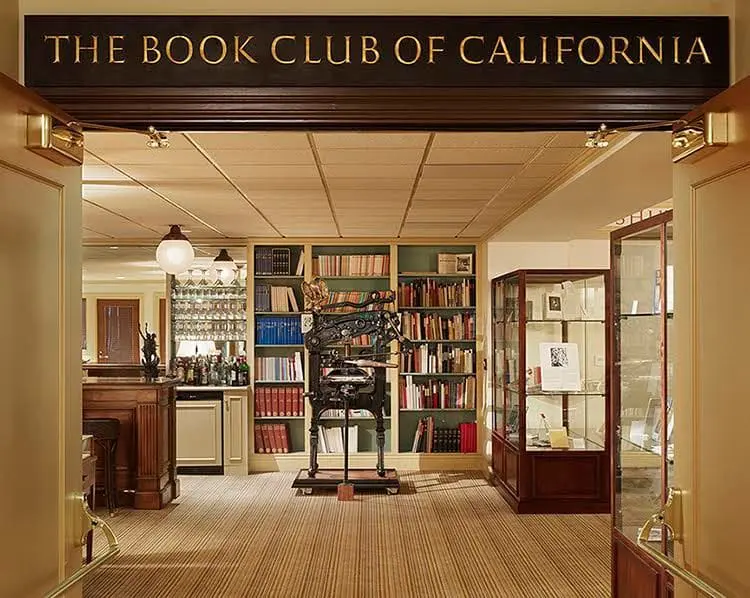
Nonprofit dedicated to fine printing, book arts, and California literary history. Founded 1912. Library, rare books, letterpress exhibitions, and public lectures at 312 Sutter Street, Suite 500.
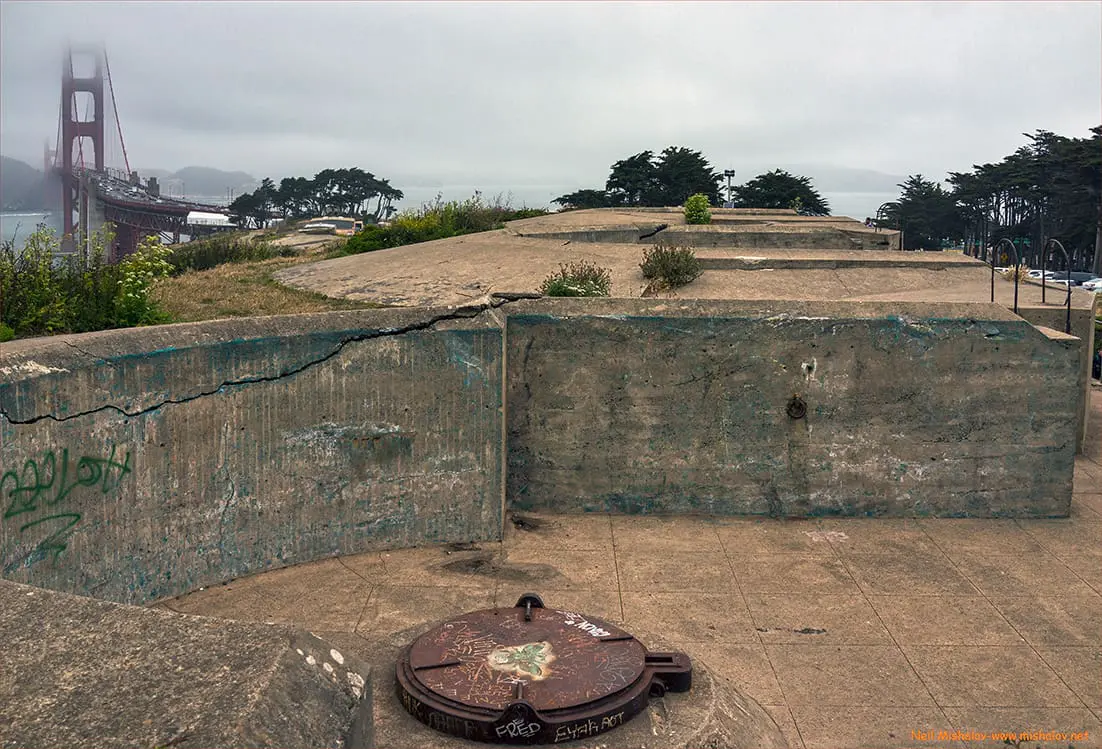
Abandoned Endicott-era coastal defense batteries (built 1899-1902) on the cliffs near Lands End. Concrete bunkers and gun mounts open to walk through. Free, dawn to dusk.
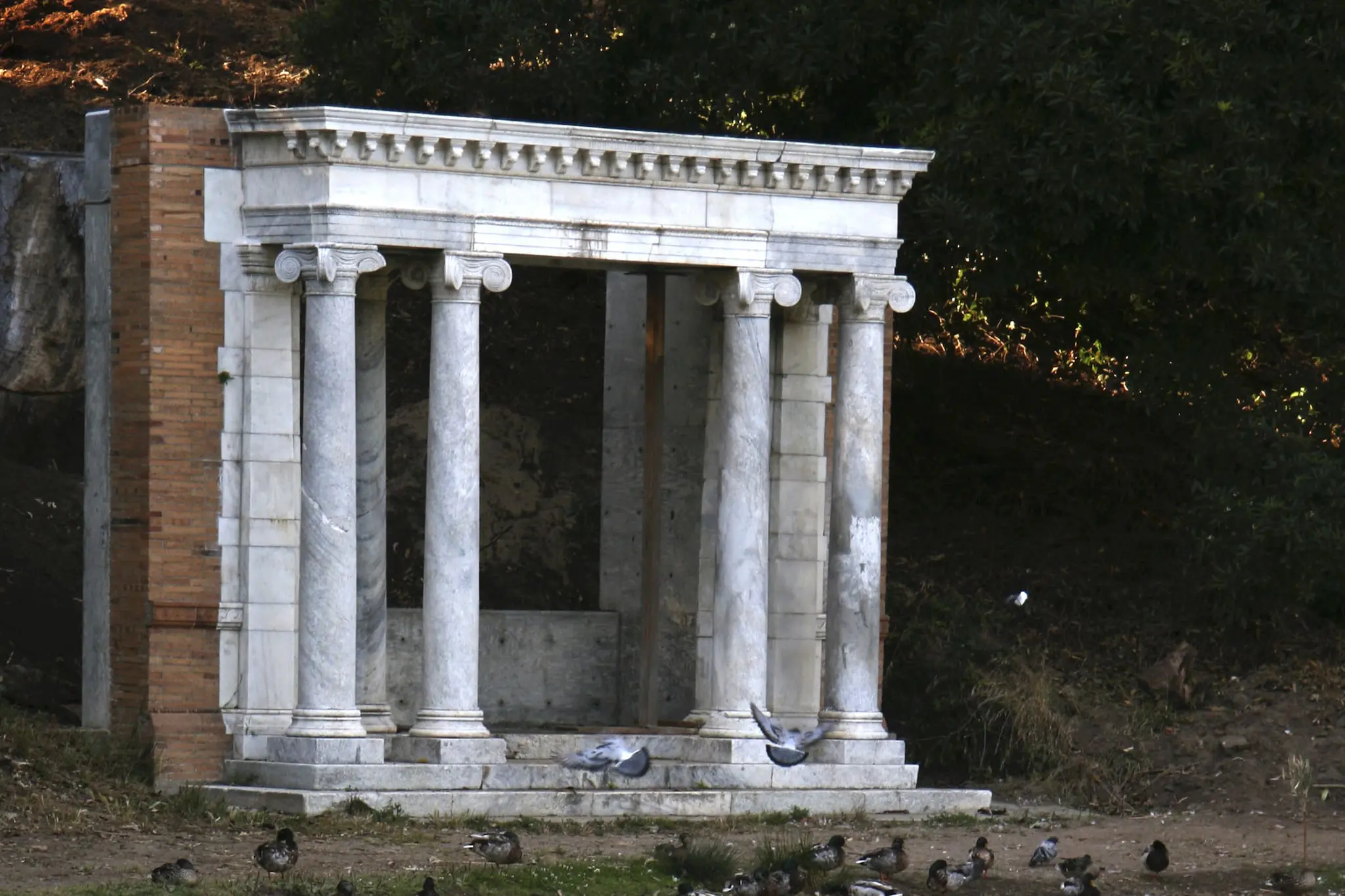
Six Corinthian columns from the Towne Mansion (destroyed in the 1906 earthquake) installed at Lloyd Lake in Golden Gate Park in 1909. Best at dawn when the lake is still.
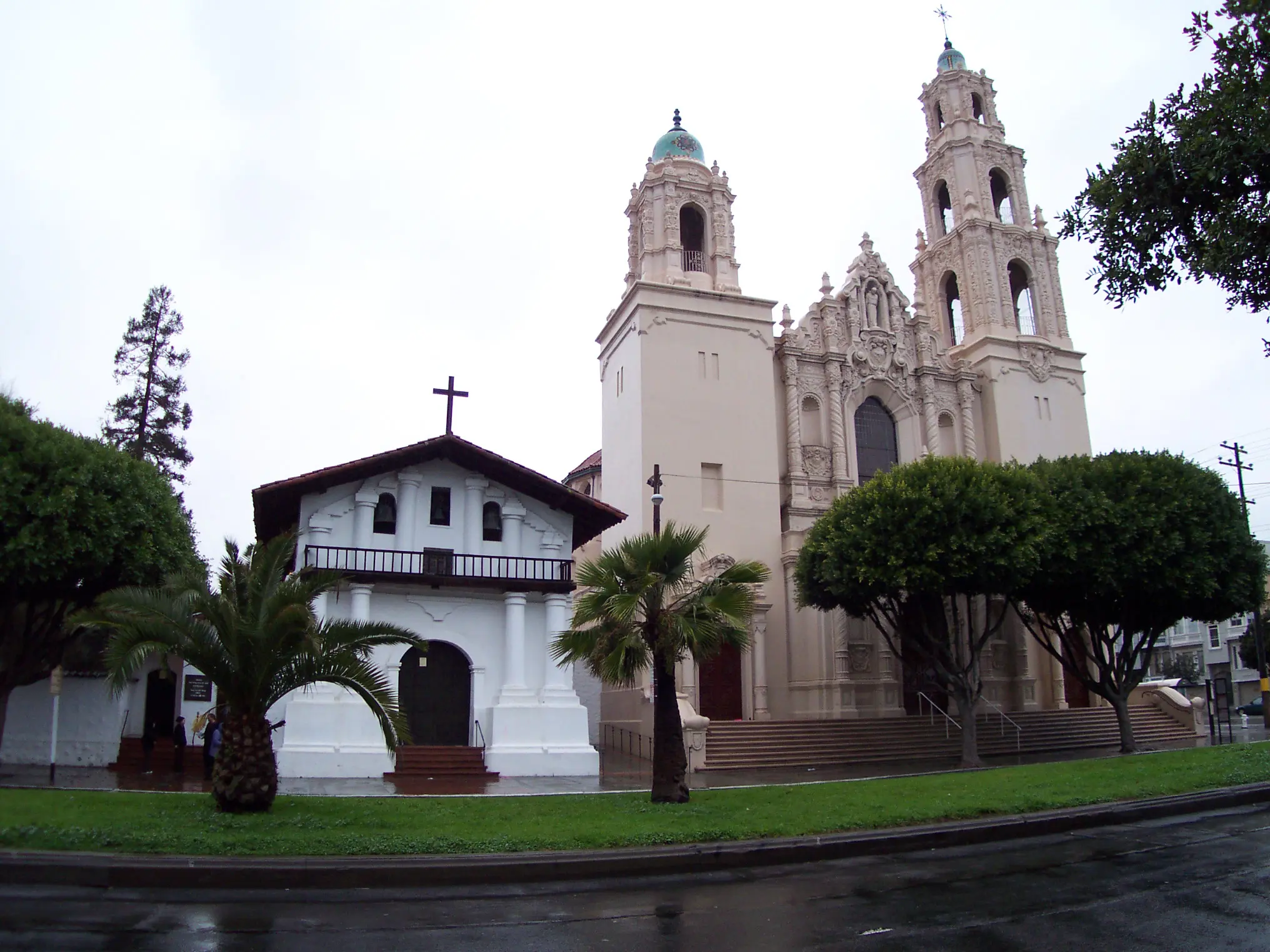
San Francisco’s oldest cemetery, dating to 1776, adjacent to Mission Dolores at 3321 16th Street. About 100 graves from early settlers, Ohlone peoples, and Gold Rush pioneers. Featured in Hitchcock’s Vertigo.
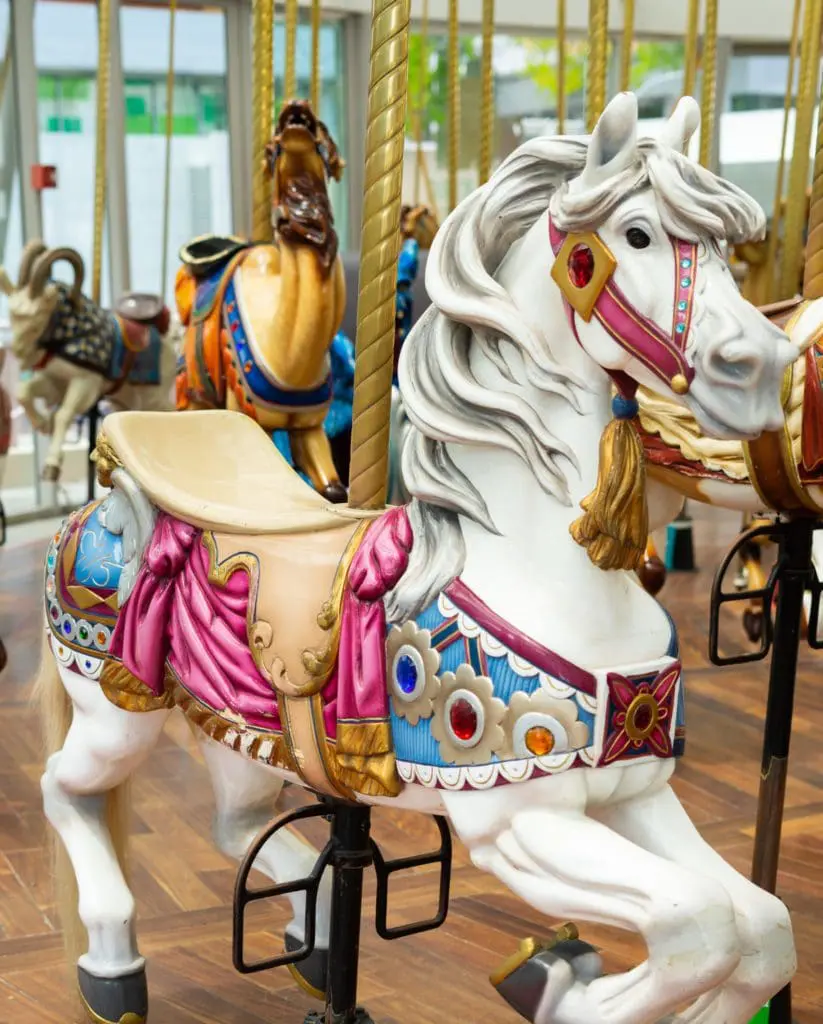
A 1906 hand-carved carousel by the creator of Coney Island’s first carousel. Roughly 65 wooden animals inside a glass pavilion at Yerba Buena Gardens. $3 a ride.
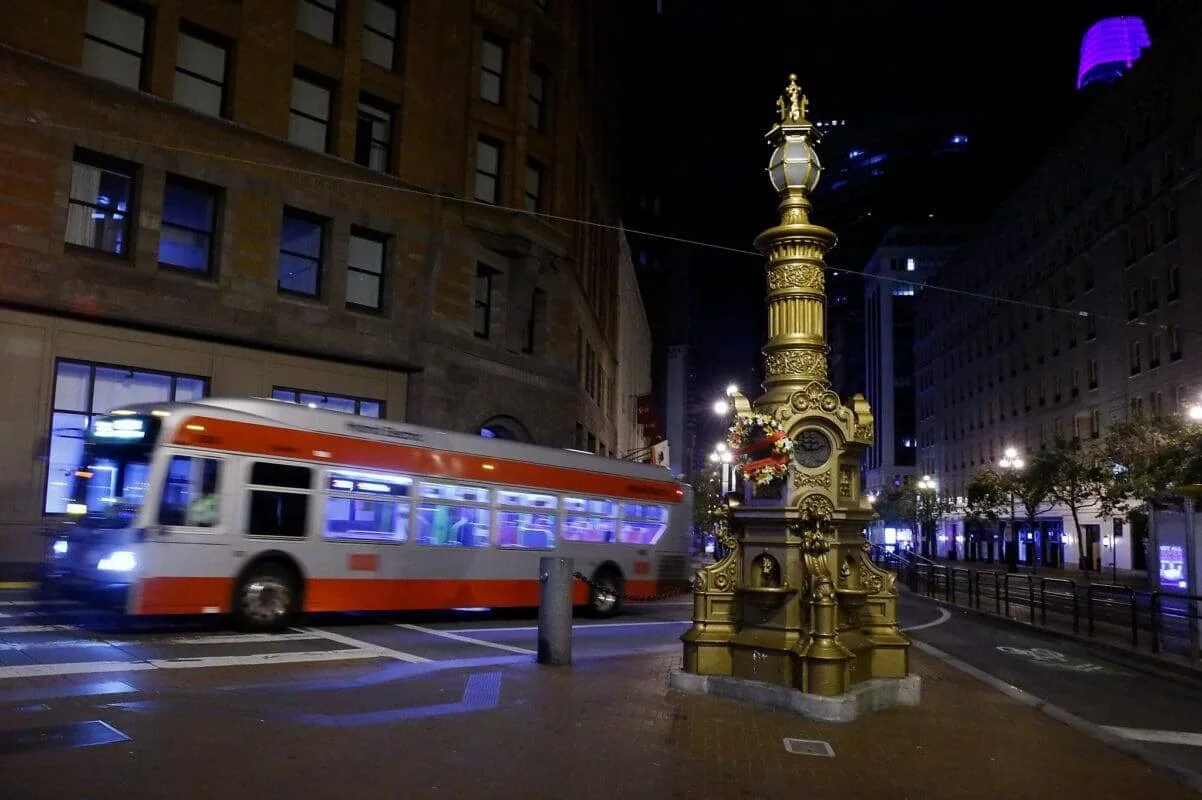
A cast-iron fountain from 1875 that became the city’s central gathering point after the 1906 earthquake. Still the site of an annual predawn ceremony every April 18th at 5:12 AM.

The first reinforced concrete bridge built in the United States, completed in 1889 and shaped to look like rough stone. Fake stalactites hang from the arch at the Haight Street entrance to Golden Gate Park.
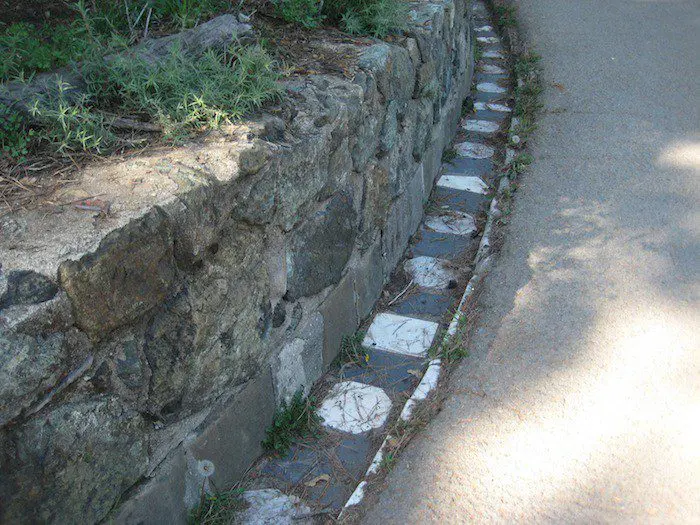
San Francisco’s oldest park has 19th-century cemetery headstones built into its footpaths. Fragments of names and dates visible in the stone borders, repurposed when the city moved its dead to Colma.
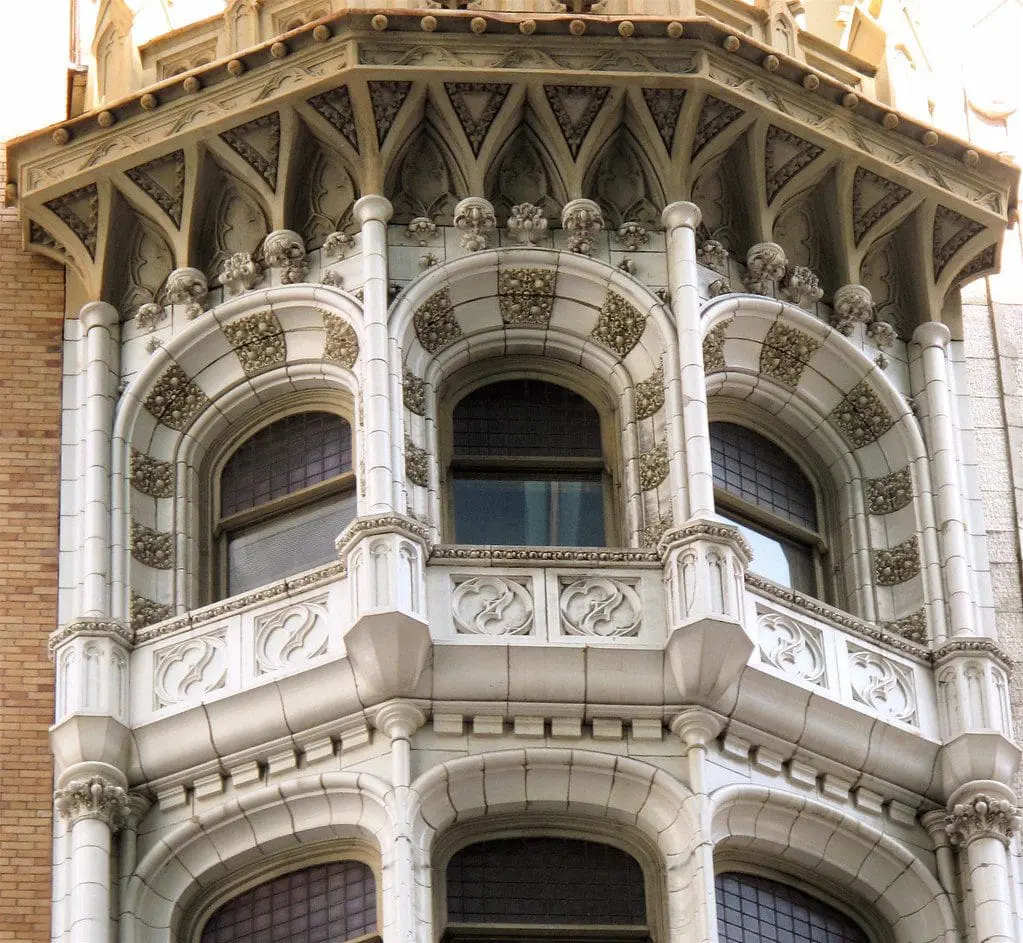
A 10-story building only 20 feet wide at 130 Bush Street, covered in glazed terra cotta and hammered copper. Built in 1910 as a necktie, belt, and suspender factory by architect George Applegarth.
By continuing you agree to our Terms and Privacy Policy
The full guide in your pocket. Save spots, get directions, and explore offline.
 Scan to install