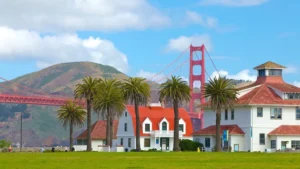
Golden Gate Bridge
The Verdict
"Walk the east side for city views. Best mid-morning after fog burns off, or at sunset. Skip the parking lot on weekends and take the 28 bus."
What you need to know
The Golden Gate Bridge needs no introduction, but it rewards careful attention anyway. The 1.7 mile span connecting San Francisco to Marin County remains one of the most photographed structures on earth, and its engineering and design stand up to any scrutiny you want to give them.
The Design
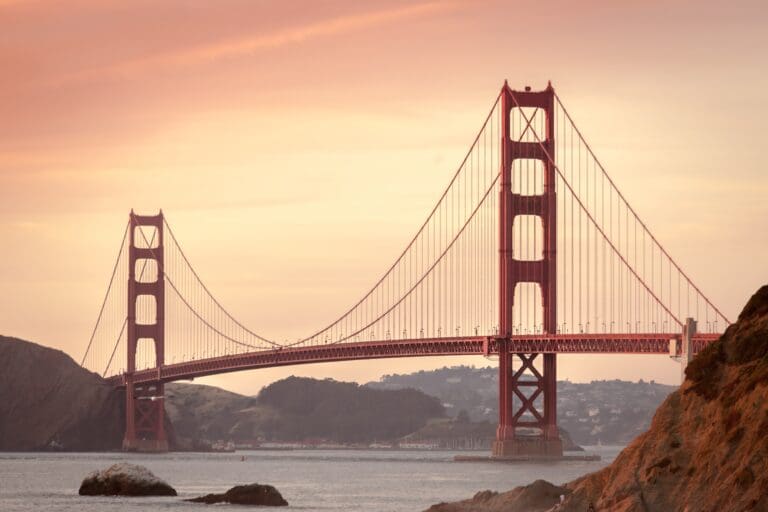
Joseph Strauss gets credit as chief engineer, though the elegant Art Deco design came largely from consulting architect Irving Morrow. The signature International Orange color was originally intended as a primer but proved so visually effective against fog and sea that it became permanent. The towers rise 746 feet above the water, and the main cables contain enough wire to circle the equator three times.
Walking and Cycling
Walking the bridge takes roughly an hour round trip if you cross completely and return. The pedestrian path runs along the east side, offering views of the city, Alcatraz, and the Bay. Wind makes the experience bracing on most days. Fog can reduce visibility to nearly zero or part dramatically to reveal sudden vistas. Dress in layers and bring a hat.
Cycling across moves faster but requires attention to pedestrians and the transition points at each end. Rentals are available throughout Fisherman’s Wharf and near the bridge itself. The ride to Sausalito and back makes a popular half day trip, with the option to ferry return if the hills prove tiring.
Best Viewing Spots
The best viewing spots depend on what you want to see. Fort Point underneath the southern tower shows the bridge’s massive scale from directly below. Baker Beach offers the classic calendar shot with waves in the foreground. Battery Spencer on the Marin side looks down at the whole structure from above. Crissy Field provides a straight on view across the water.
History
The bridge opened in 1937 after four years of construction. The $35 million cost has been repaid many times over through tolls that now fund ongoing maintenance and the transportation district. The design has influenced bridge building worldwide and remains the defining symbol of San Francisco.
Visiting
Sunrise and sunset draw photographers, but midday visits when fog rolls through can produce equally dramatic conditions. Night illumination makes the bridge glow against the dark hills. No time is wrong, just different.
The Welcome Center on the southern end provides history, restrooms, and a gift shop. Parking fills quickly on weekends, making transit or rideshare easier options. The 28 bus runs directly to the viewing area from downtown.
Pro tips
Dress in layers — it's always windier on the bridge than in the city. The walk across takes about 35 minutes each way. Battery Spencer on the Marin side offers the best photo angle looking back at SF. Start from the Welcome Center on the SF side for parking and restrooms.