
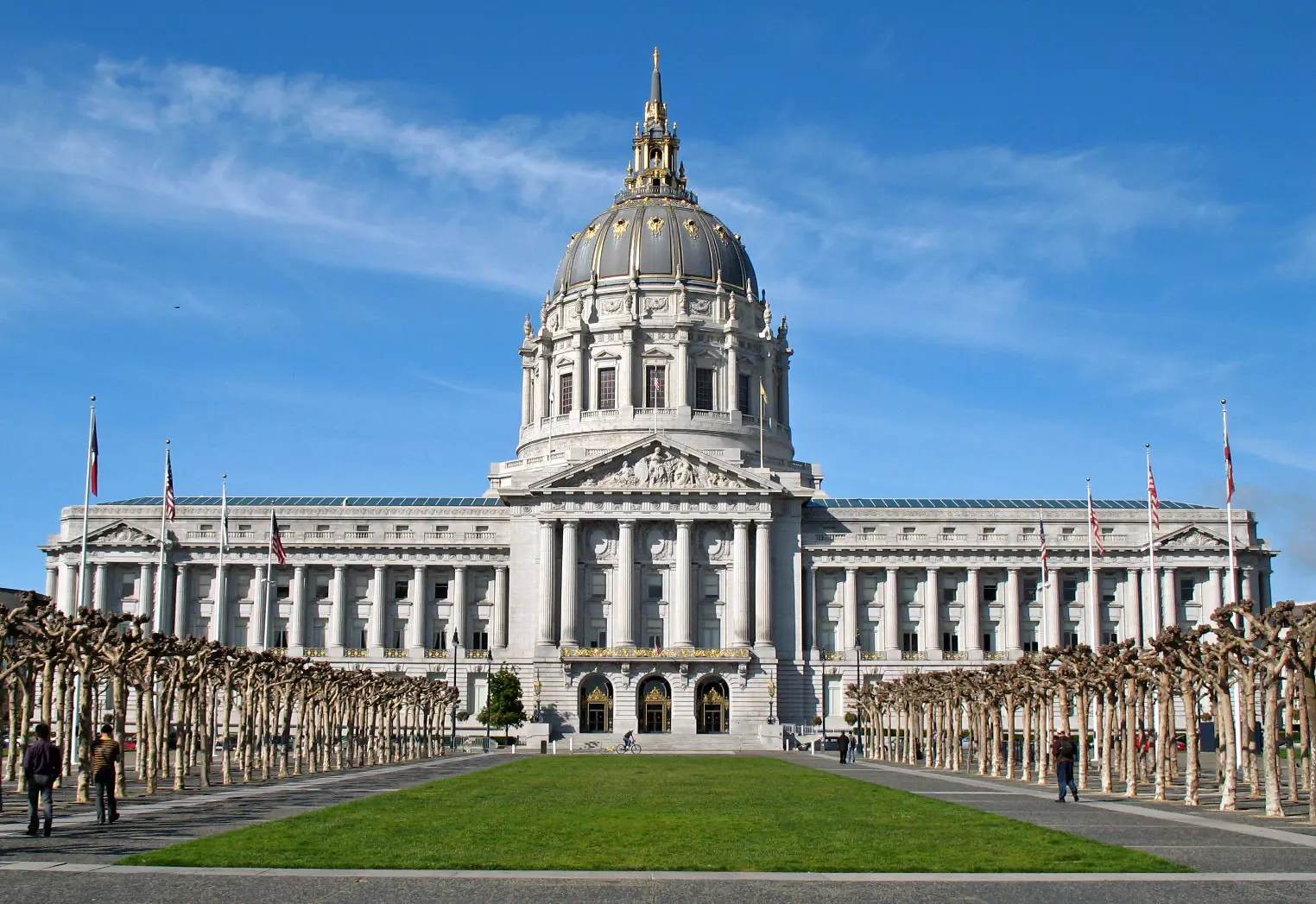
San Francisco Plans to Add Up to 2,500 Historic Landmarks by 2030
San Francisco has begun a push to sharply expand the number of protected historic landmarks in the city. Mayor Daniel Lurie and Board of Supervisors President Rafael Mandelman announced the plan on May 29, 2026, saying it could designate about 2,500 new landmarks and several new historic districts by 2030. That would more than double the city’s current total.
What the plan does
The package has two main parts. One is funding for the Planning Department to survey historic properties across the city. The other is legislation to speed up the landmark designation process, which the city says has often taken years. Officials say the goal is to bring a typical designation down to about nine or ten months. The plan also includes a joint letter to the California Office of Historic Preservation asking that San Francisco’s locally designated landmarks be added to the California Register of Historical Resources.
Why it is happening now
The preservation push is tied to the city’s Family Zoning Plan, the rezoning that opened large parts of San Francisco to taller and denser housing. Under state housing law, many projects that meet zoning rules can be approved without discretionary review, which can allow older buildings to be demolished with less scrutiny. Mandelman pushed to speed up landmarking so that buildings with historic value could be identified and protected before that happens. City officials have framed the effort as a way to balance new housing with preservation.
Which buildings are affected
About 75 sites had been nominated for landmark status by mid-2026, and neighborhoods including the Mission, Chinatown, and the Castro already account for dozens of them. Many recent nominations focus on underrepresented histories, including sites tied to the city’s LGBTQ past. San Francisco’s existing landmarks range from large civic buildings to neighborhood sites; the Castro Theatre has been a city landmark since 1977. A designation under the city’s Article 10 preservation law means exterior changes or demolition require review and a Certificate of Appropriateness from the Planning Department.
What it means for residents
For property owners, landmark status adds a layer of review before a building’s exterior can be altered or torn down. For the wider city, the plan sets up a continuing debate over how much of San Francisco’s building stock to preserve as the city adds housing. The full list of proposed landmarks and districts will be worked out over the next several years through the Planning Department and the Board of Supervisors.
Details are drawn from the San Francisco Planning Department, with reporting on the announcement by Local News Matters on June 1, 2026 and by the San Francisco Examiner. For a tour of the neighborhoods named in the plan, see our guide to San Francisco’s neighborhoods.
Photo: Sanfranman59, CC BY-SA 3.0, via Wikimedia Commons.
More SF News
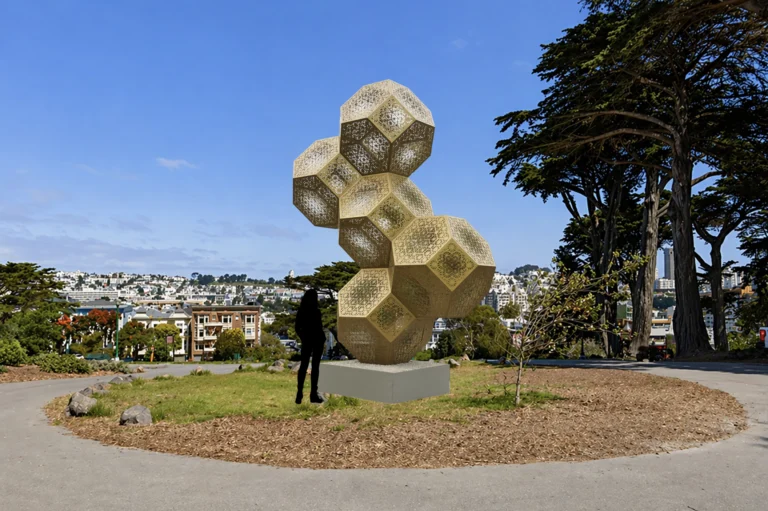 Axis Mundi, a 20-Foot Steel Sculpture by HYBYCOZO, Is Now in Alamo Square for a YearOct 21, 2026
 California Climbing Collective Opens on Folsom Street in SoMa With Ungraded BoulderingOct 20, 2026
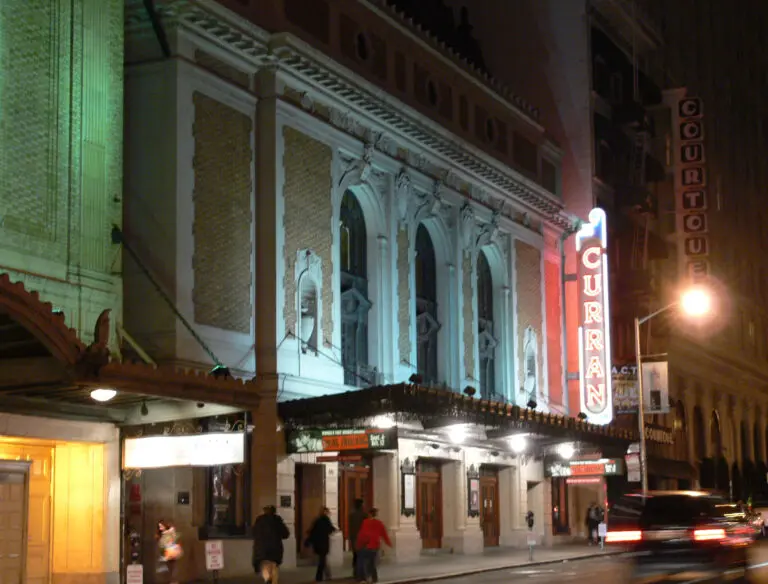 Oh, Mary! Plays the Curran Through November 1, With Box Office Rush Seats From $59Oct 19, 2026
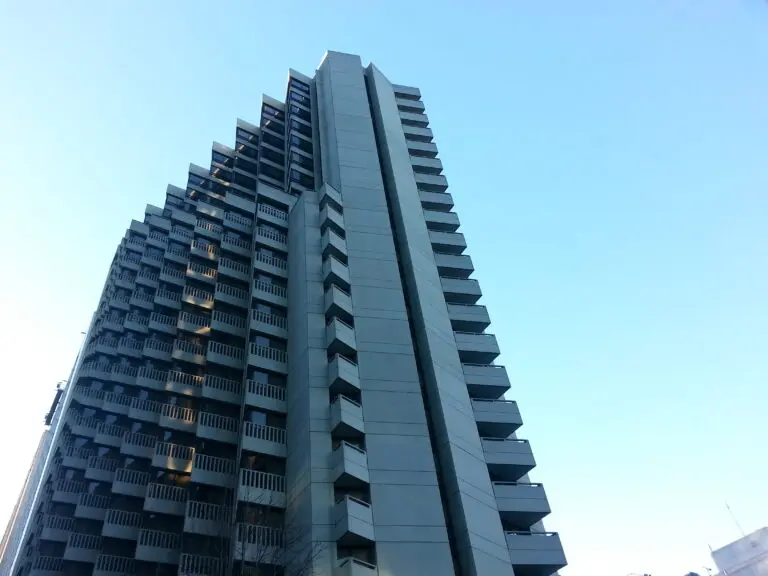 Shinka Replaces Prelude at The Jay Hotel With a Japanese-French Tasting MenuOct 19, 2026