The Castro
About The Castro
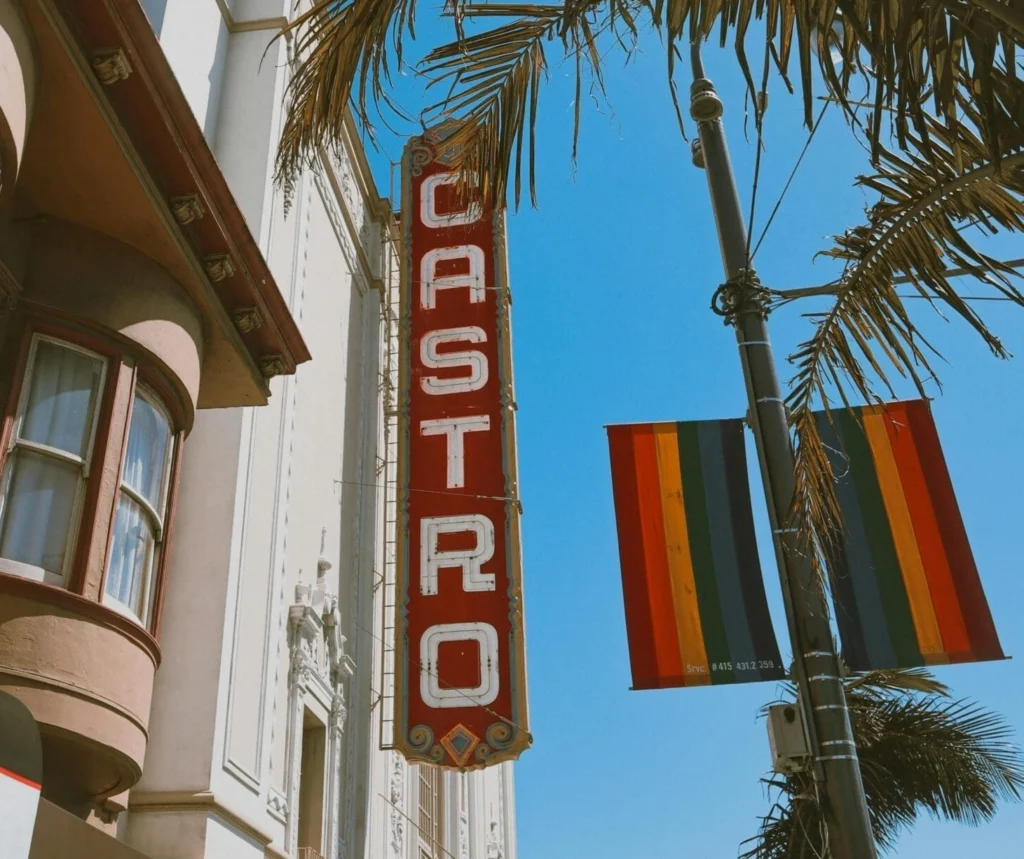
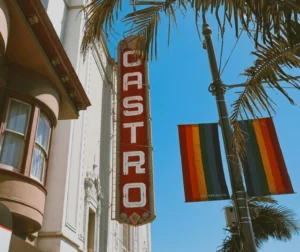
The Castro was farmland known as Eureka Valley through the 19th century. Castro Street is named after José Castro, a Mexican-era governor of Alta California. The Market Street Cable Railway reached the valley in 1887 and set off a housing boom that filled the blocks with the Victorians still standing today. For decades it was a working-class neighborhood, largely Scandinavian and Irish. The Castro Theatre, designed by Timothy Pflueger, opened on Castro Street in 1922.
The area became a gay neighborhood in the late 1960s and early 1970s. Servicemen discharged through San Francisco during and after World War II had stayed in the city, rents were low, and the Victorian housing was plentiful. Gay residents bought and restored the houses and opened businesses along Castro Street.
Harvey Milk opened Castro Camera at 575 Castro Street in 1973 and ran his campaigns from the shop. In 1977 he was elected to the Board of Supervisors, one of the first openly gay elected officials in the country. He and Mayor George Moscone were assassinated at City Hall on November 27, 1978.
Filmed in The Castro
All San Francisco films →28 productions filmed around The Castro, oldest first.
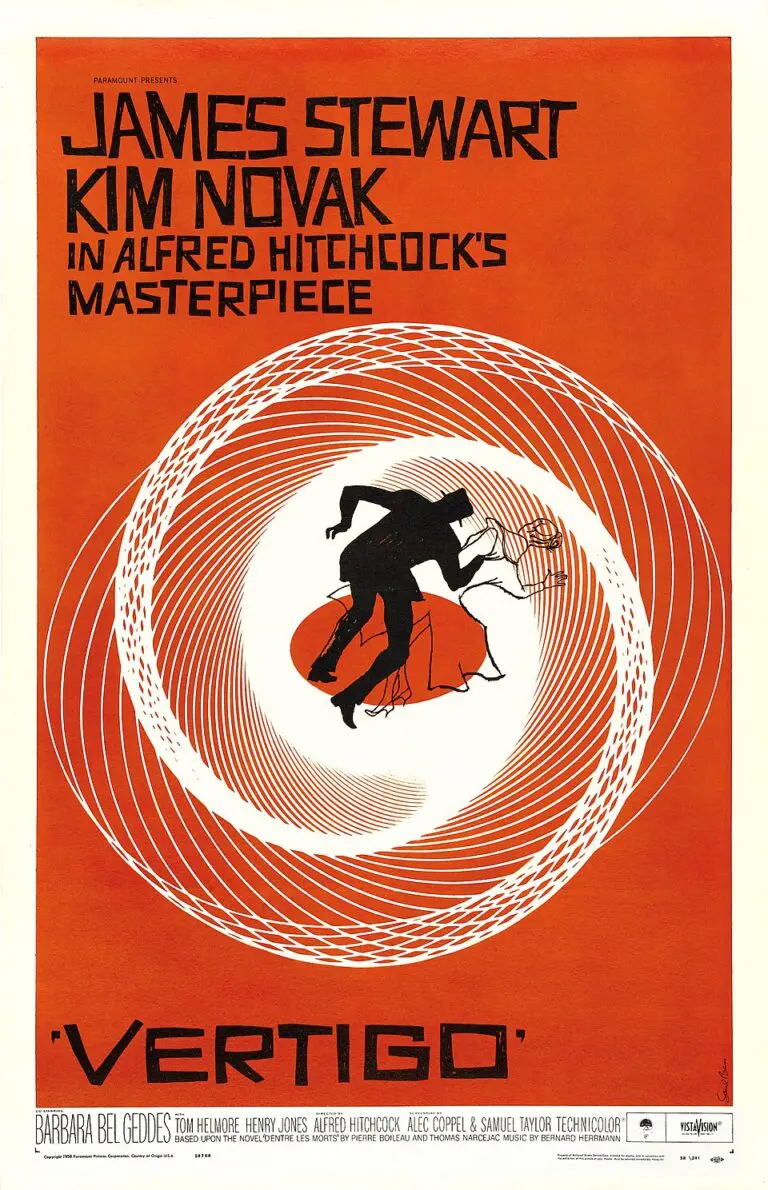 1958Vertigo
 1971Dirty Harry
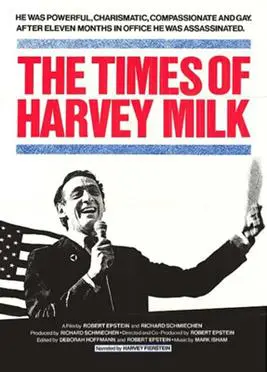 1984The Times of Harvey Milk
 1988The Dead Pool
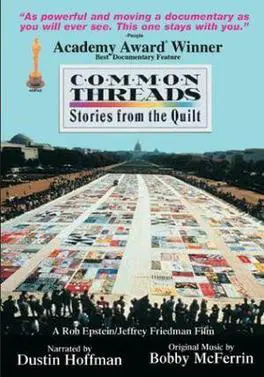 1989Common Threads: Stories From the Quilt
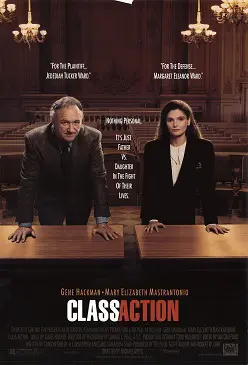 1991Class Action
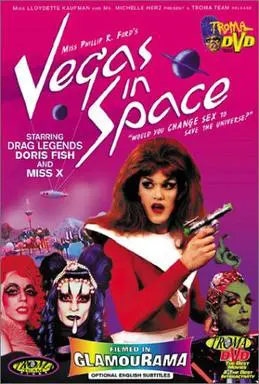 1992Vegas in Space
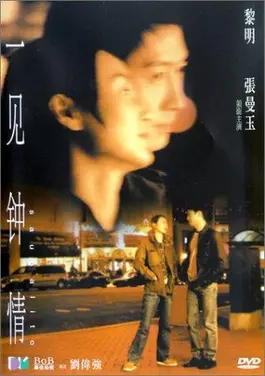 2000Sausalito
 2001Sweet November2001Mission (aka City of Bars)
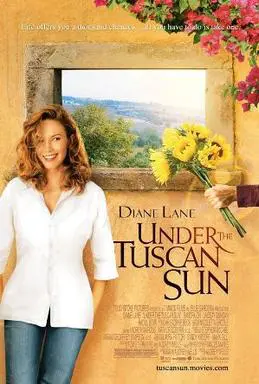 2003Under the Tuscan Sun
 2014Murder in the First, Season 1
 2014Looking
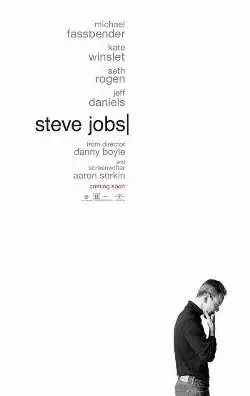 2015Steve Jobs2015Smile Again, Jenny Lee2015Sense8
 2015Quitters2016Sense8 – Season 2
 2016Pushing Dead
 2017When We Rise+8more on recordEvery film shot in San Francisco →
Upcoming Events
Where to Eat
All restaurants →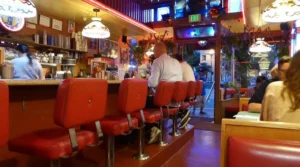
Where to Drink
All bars →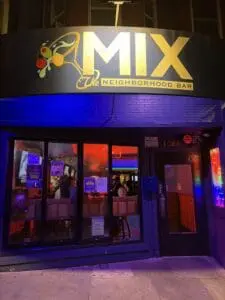
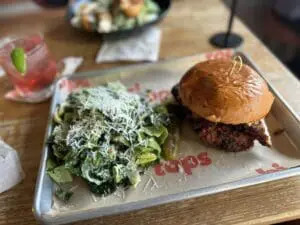
Things to Do
All activities →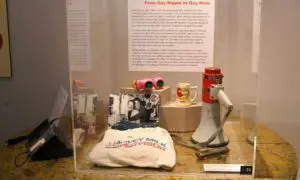
GLBT Historical Society Museum
America's first standalone LGBTQ history museum, in the Castro, about 1,600 square feet. Exhibits draw on more than 1,000 items from the GLBT Historical Society's collection; past displays included Harvey Milk's camera and artifacts from the 1966 Compton's Cafeteria riot. $10, free the first Wednesday of each month. An expansion on Market Street was approved by the Board of Supervisors in late 2024.
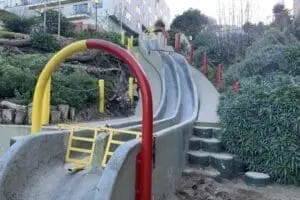
Seward Street Slides
Two concrete slides on a hillside since 1973, designed by 14 year old Kim Clark, winner of a design contest organized by sculptor Ruth Asawa. The park followed a decade of neighborhood resistance to development, including a 1966 occupation. Bring cardboard to ride on. Free, Tuesday through Sunday, 10am to 5pm.
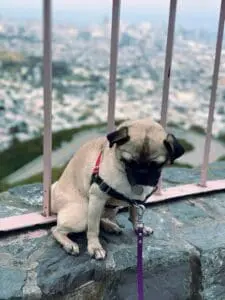
Twin Peaks
Park at Christmas Tree Point, then take the short trail between the summits for the views without the crowd.