Chinatown
About Chinatown
San Francisco’s Chinatown is the oldest in North America and one of the largest outside Asia. About 15,000 people live in roughly 30 square blocks, mostly in SRO hotels and walk-up apartments above the storefronts. The neighborhood has been the commercial and residential center of Chinese American life on the West Coast since the 1850s.
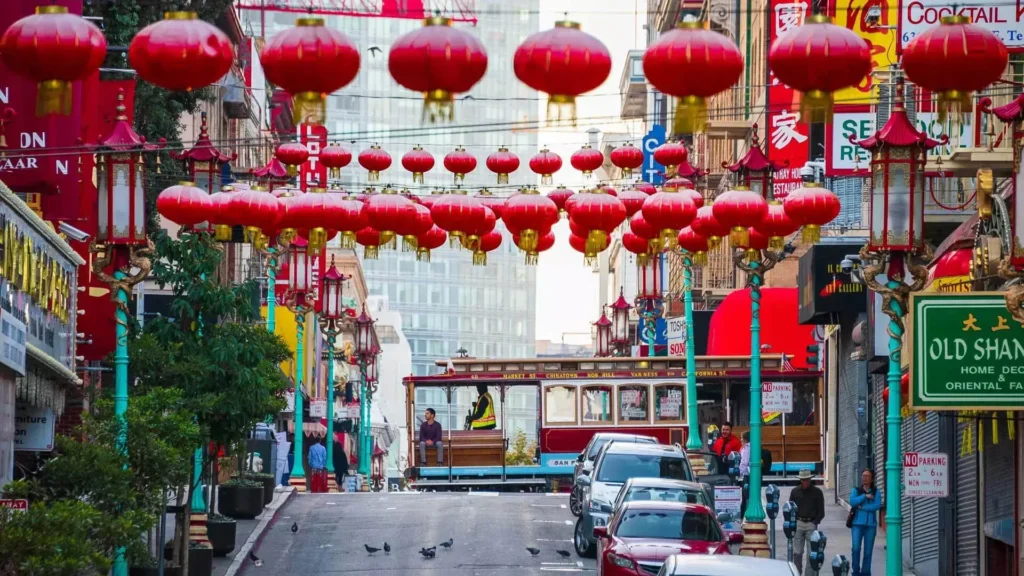
The buildings you see today are the 1906 rebuild. The 1906 fire destroyed the original wooden Chinatown, and city officials proposed relocating the neighborhood to Hunters Point. Merchant leader Look Tin Eli commissioned the architectural firm Ross and Burgren to rebuild the blocks in a style the press at the time called “oriental”: pagoda rooflines, painted balconies, ornamental lampposts. The intent was to draw tourism and investment to keep the neighborhood in place. Almost every building on Grant Avenue and Stockton Street dates from 1907 through 1909.
How to Walk Chinatown
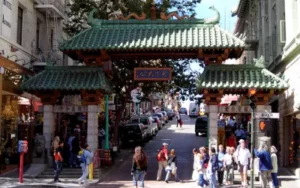
Grant Avenue is the touristy street. Enter at the Dragon Gate at Grant and Bush. Grant has souvenir shops, English-language restaurants, and the pagoda-roof architecture from the 1906 rebuild. Grant runs north past Jack Kerouac Alley, crosses Columbus Avenue, and continues into North Beach.
Stockton Street, one block west, is the community oriented street. Produce markets stack vegetables on the sidewalk; fishmongers keep tanks of live tilapia and Dungeness crab. The street is at full operation by about 7 AM. Good Mong Kok Bakery at 1039 Stockton sells grab-and-go char siu bao; cash only.
The alleys between Grant and Stockton. Ross Alley runs parallel to the two main streets and holds the Golden Gate Fortune Cookie Factory, where workers fold cookies by hand. Waverly Place, one block south, is the Street of Painted Balconies and the location of the Tin How Temple. Spofford Alley was a center of the tong-era conflicts of the 1880s and is now quiet and residential.
Portsmouth Square at Kearny and Clay is the neighborhood’s main public space. Older men play xiangqi on stone tables; tai chi groups gather on the upper plaza in the early morning. The square was the original town square of San Francisco. (as of 6/12/26 its closed and getting renovated)
What to Know Before You Go
Produce markets on Stockton are at full speed by 7 AM. Shops on Grant open around 10ish and close by 5 or 6pm.
Parking garages exist under Portsmouth Square and St. Mary’s Square; on-street parking is impossible.
The alleys are public walkways. Ross, Waverly, Spofford, Beckett, and Ping Yuen are all walkable.
Filmed in Chinatown
All San Francisco films →47 productions filmed around Chinatown, oldest first.
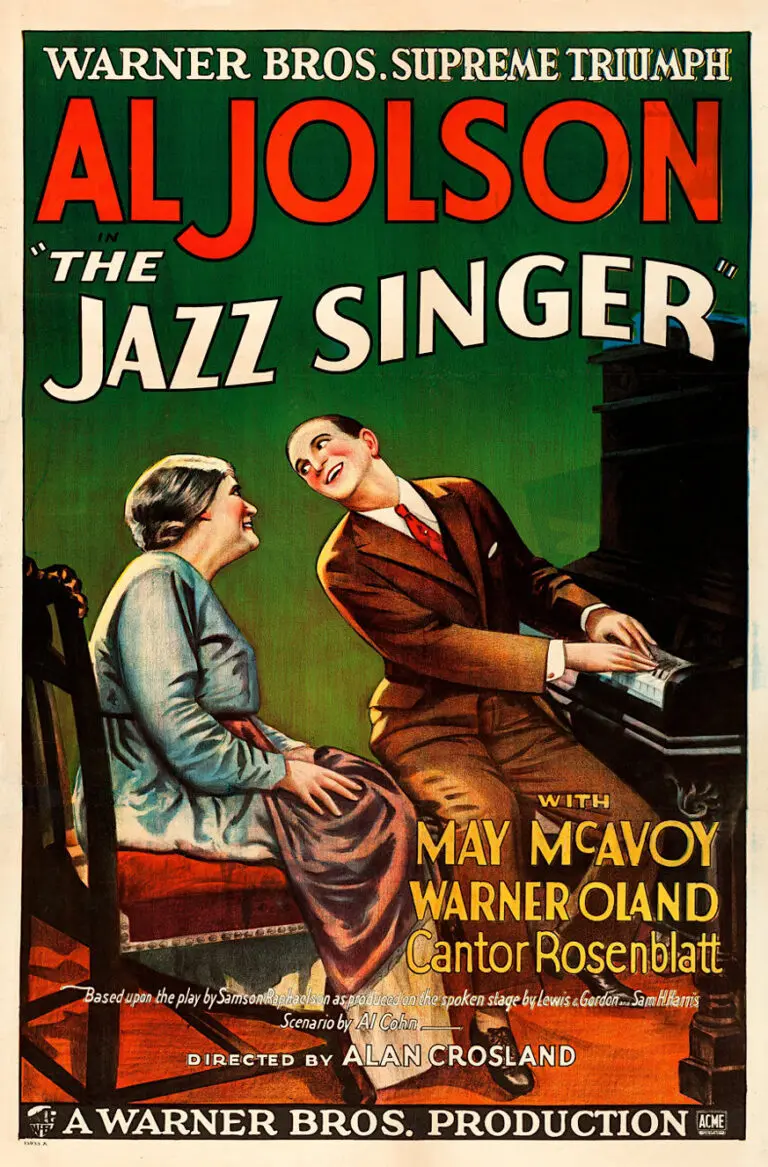 1927The Jazz Singer
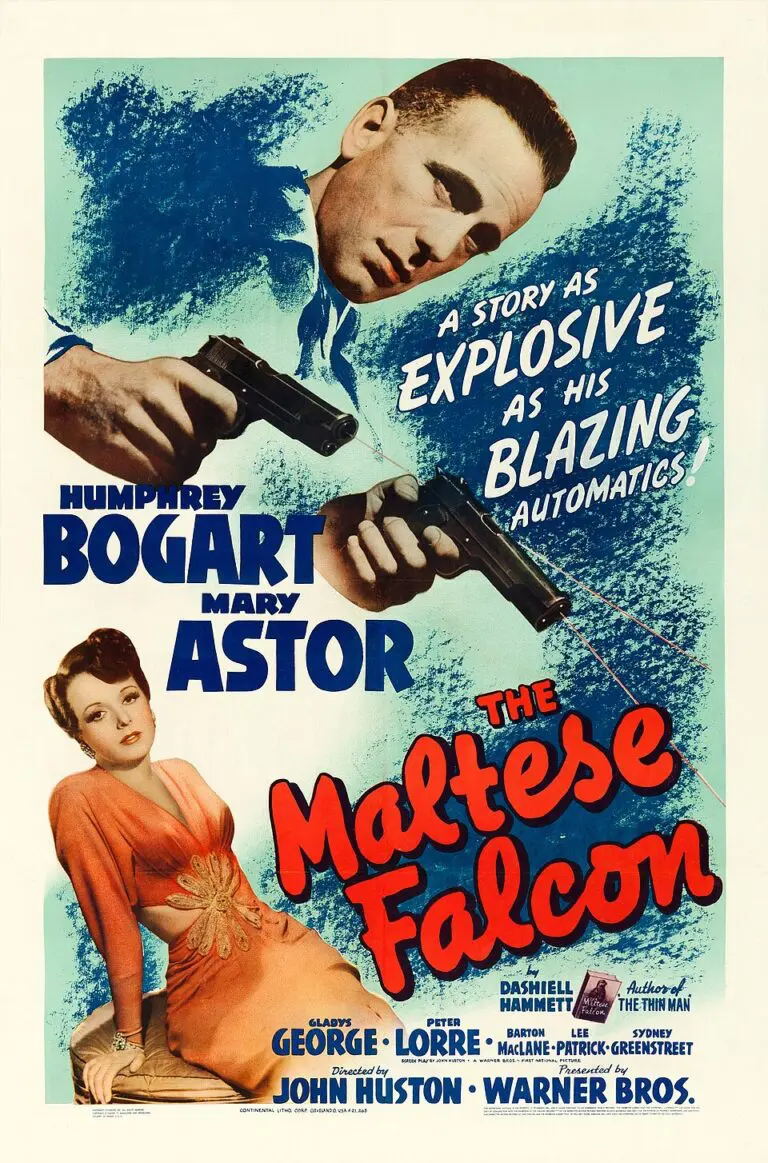 1941The Maltese Falcon
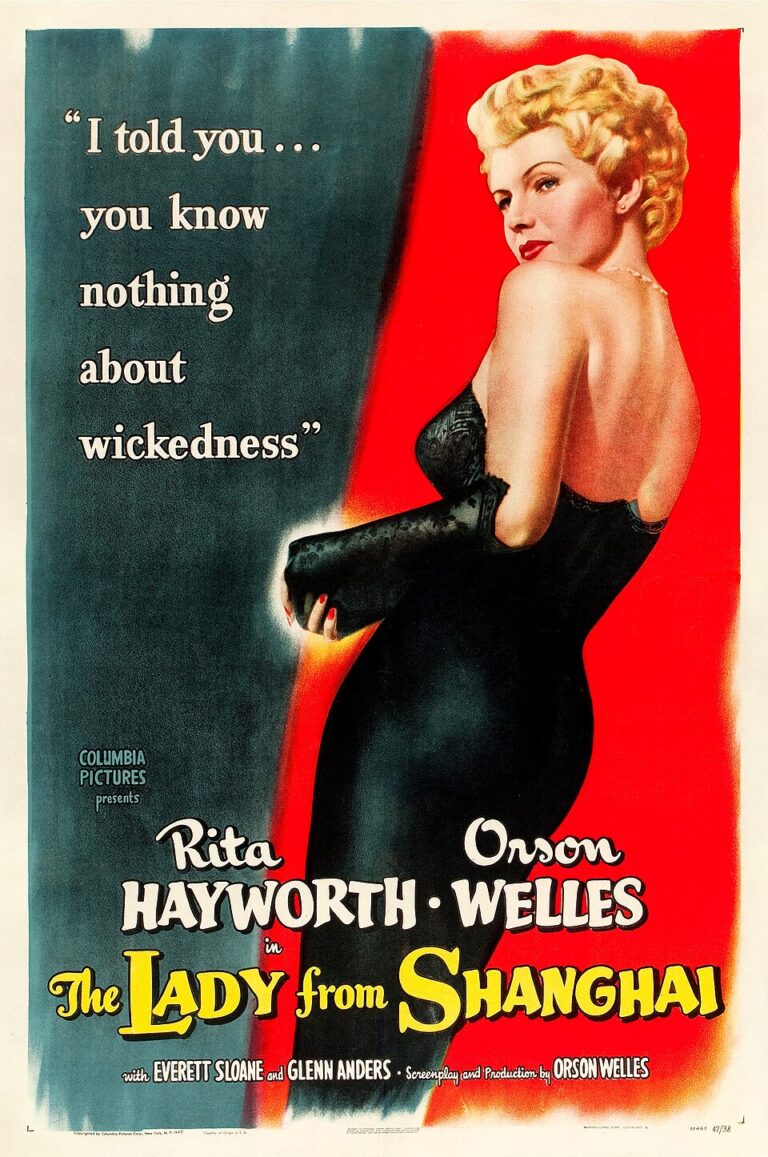 1947The Lady from Shanghai
 1950Woman on the Run
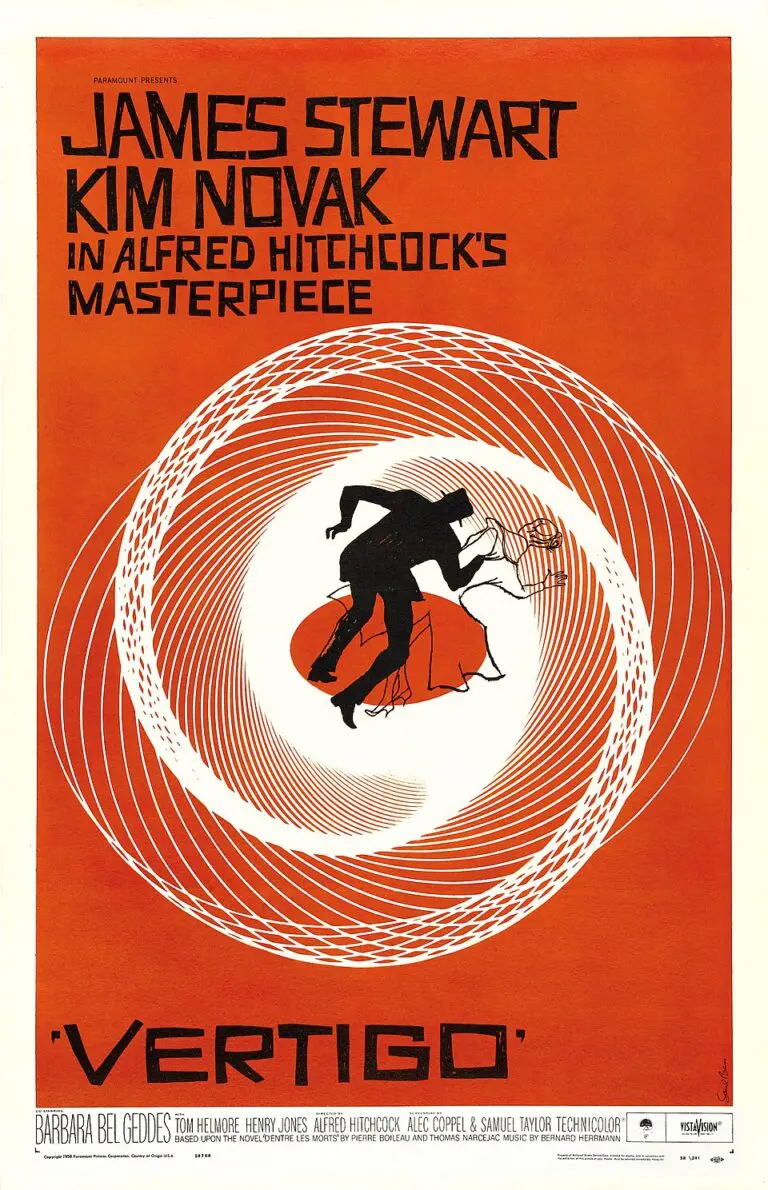 1958Vertigo
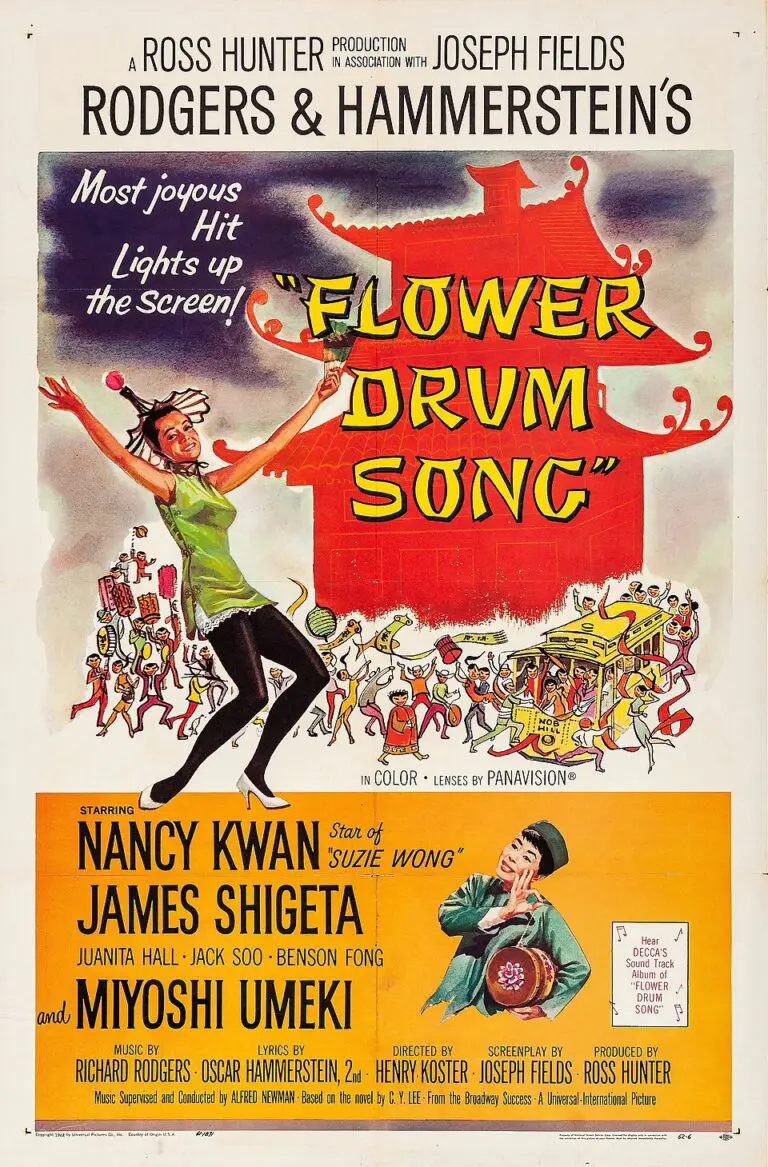 1961Flower Drum Song
 1969Take the Money and Run
 1971Dirty Harry
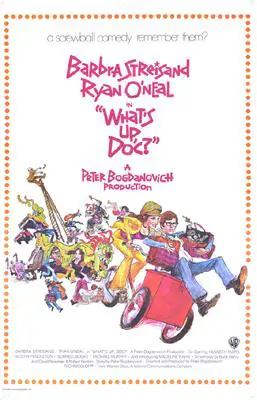 1972What’s Up Doc?
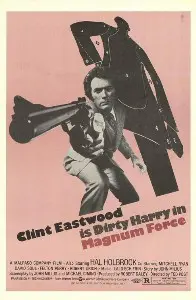 1973Magnum Force
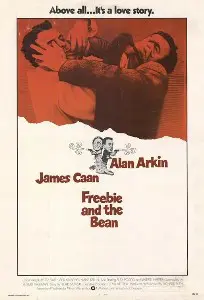 1974Freebie and the Bean
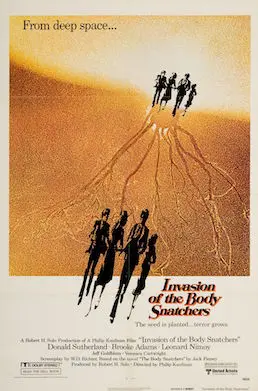 1978Invasion of the Body Snatchers
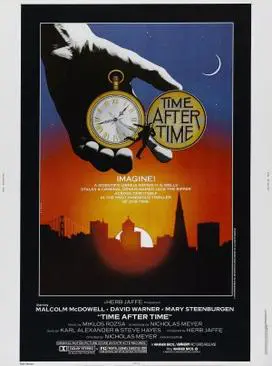 1979Time After Time
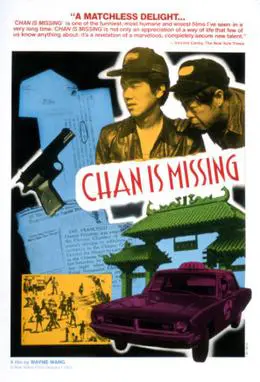 1982Chan is Missing
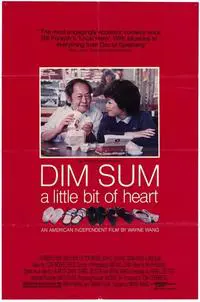 1985Dim Sum: A Little Bit of Heart
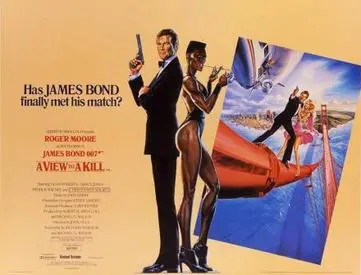 1985A View to a Kill
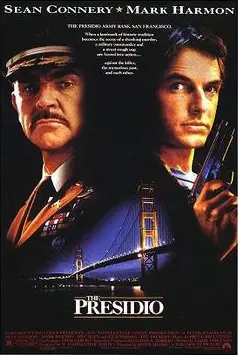 1988The Presidio
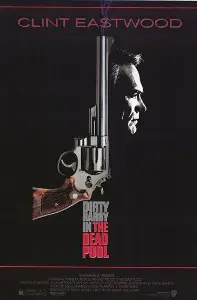 1988The Dead Pool
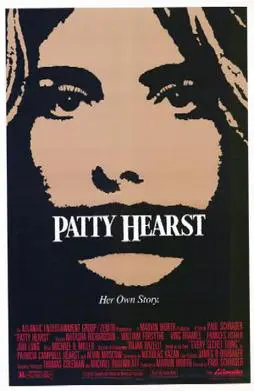 1988Patty Hearst
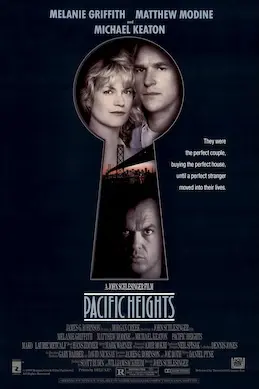 1990Pacific Heights+27more on recordEvery film shot in San Francisco →
Where to Eat
All restaurants →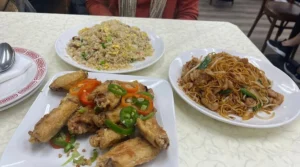
Capital Restaurant
The salt and pepper chicken wings are some of the best in the city
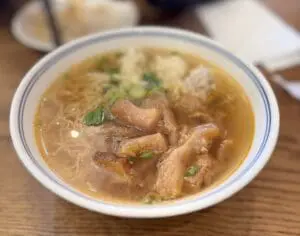
Hon’s Wun-Tun House
Hong Kong-style wonton noodle soup with hand-wrapped wontons and clean broth. So Tasty!
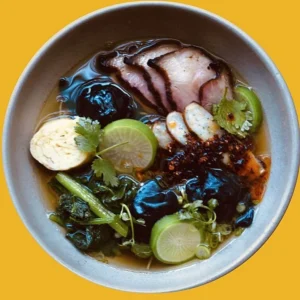
Mister Jiu’s
Michelin star Chinese restaurant and James Beard Best Chef
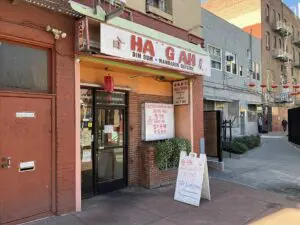
Hang Ah Tea Room
The oldest dim sum restaurant in the United States.
R&G Lounge
Anthony Bourdain featured this Chinatown Cantonese restaurant on No Reservations.
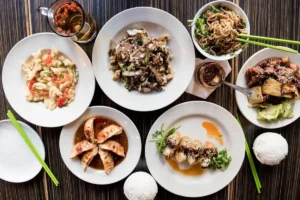
House of Nanking
Two-time Chopped champion on Food Network. The family was the subject of the docuseries Chef Dynasty: House of Fang
Things to Do
All activities →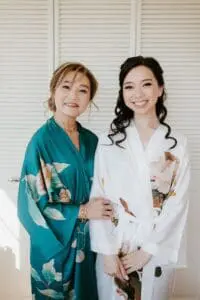
Kim + Ono
Chinatown shop designing handcrafted kimono robes in silk and washable silk, with original prints. Prices run $115 for simpler styles up to $450 for premium silk. On Grant Avenue on Chinatown's main strip.
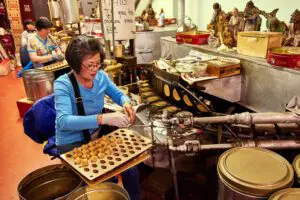
Golden Gate Fortune Cookie Company
A Chinatown shop hand-folding fortune cookies on motorized griddles since August 1962. Owner Franklin Yee runs the place, designated a SF Legacy Business in 2016. Free to watch the workers slip paper fortunes onto warm discs before folding; $0.50 per photo, $17 a box of cookies, $10 a bag of flat unfolded ones.
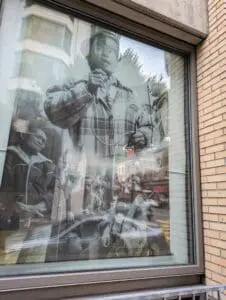
International Hotel Manilatown Center
The exhibit is free and easy to pair with a visit to Chinatown and Jackson Square.
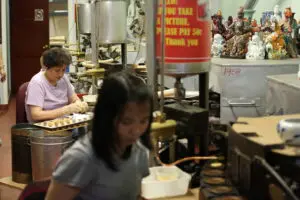
Golden Gate Fortune Cookie Factory
Walking in and watching the folding is free and takes about five minutes, so pair it with the rest of Chinatown rather than making a trip of it.