
Matisse’s ‘Femme au chapeau’ Show Closes at SFMOMA September 13
SFMOMA closes Matisse’s Femme au chapeau: A Modern Scandal on September 13, 2026, which leaves about three weeks to see it. The show has been up since May 16, and it is the only place it will ever be seen. The painting at its center cannot leave the building.
Why SFMOMA Is the Only Venue
Levi’s heiress Elise S. Haas bought Femme au chapeau from Sarah Stein in 1948 and left it to the museum in 1991. Under the terms of that bequest, the painting does not travel. That single condition is why the museum describes itself as the exclusive venue for the exhibition, and why the show cannot tour after it closes.
The painting itself stays. Femme au chapeau belongs to SFMOMA’s collection, so it will still be on the walls after September 13. What ends on that date is the context built around it: the loans, the restaged gallery, and the roughly century of argument the exhibition assembles.
The 1905 Room, Rebuilt
The center of the exhibition restages Gallery VII of the 1905 Salon d’Automne in Paris, the room where Matisse showed the portrait of his wife Amélie. Critic Louis Vauxcelles reviewed that room in the October 17, 1905 issue of the periodical Gil Blas and called the artists fauves, or wild beasts. The name stuck to the movement.
The museum says the restaged space includes work by all ten artists from the original presentation, and reunites more objects from that gallery than have been shown together since 1905. Charles Camoin, Andre Derain, Henri Manguin, Albert Marquet and Maurice de Vlaminck are among them.
Other rooms take the painting apart from different angles. One introduces Amélie Matisse as a working hat-maker and looks at the fashions that shaped the hat in the portrait. Another follows the picture from Paris to San Francisco. Large animated projections recreate the Grand Palais and the Left Bank apartment of Leo and Gertrude Stein.
How It Got Here
Leo and Gertrude Stein bought the painting on the last day of the 1905 Salon d’Automne. In 1915 it passed to their brother and sister-in-law, Michael and Sarah Stein, who brought it from France to the Bay Area in 1935. It was shown in the United States for the first time the following year, at the San Francisco Museum of Art, in an exhibition organized by founding director Grace McCann Morley. That museum is now SFMOMA.
The closing galleries track what other artists did with it. Jacqueline Marval, Jean Metzinger and Kees Van Dongen worked in its immediate aftermath. Hilary Harkness, Rachel Harrison and David Hockney are among the living artists included. The exhibition also traces its effect on Bay Area Figurative painters Joan Brown, Richard Diebenkorn and David Park, which is the part of the story most likely to be new to a local visitor.
Janet Bishop, the museum’s Thomas Weisel Family Chief Curator, organized the show with Maria Castro and Alison Guh. A 128-page book published by SFMOMA with DelMonico Books and DAP accompanies it.
Details
When: Through Sunday, September 13, 2026.
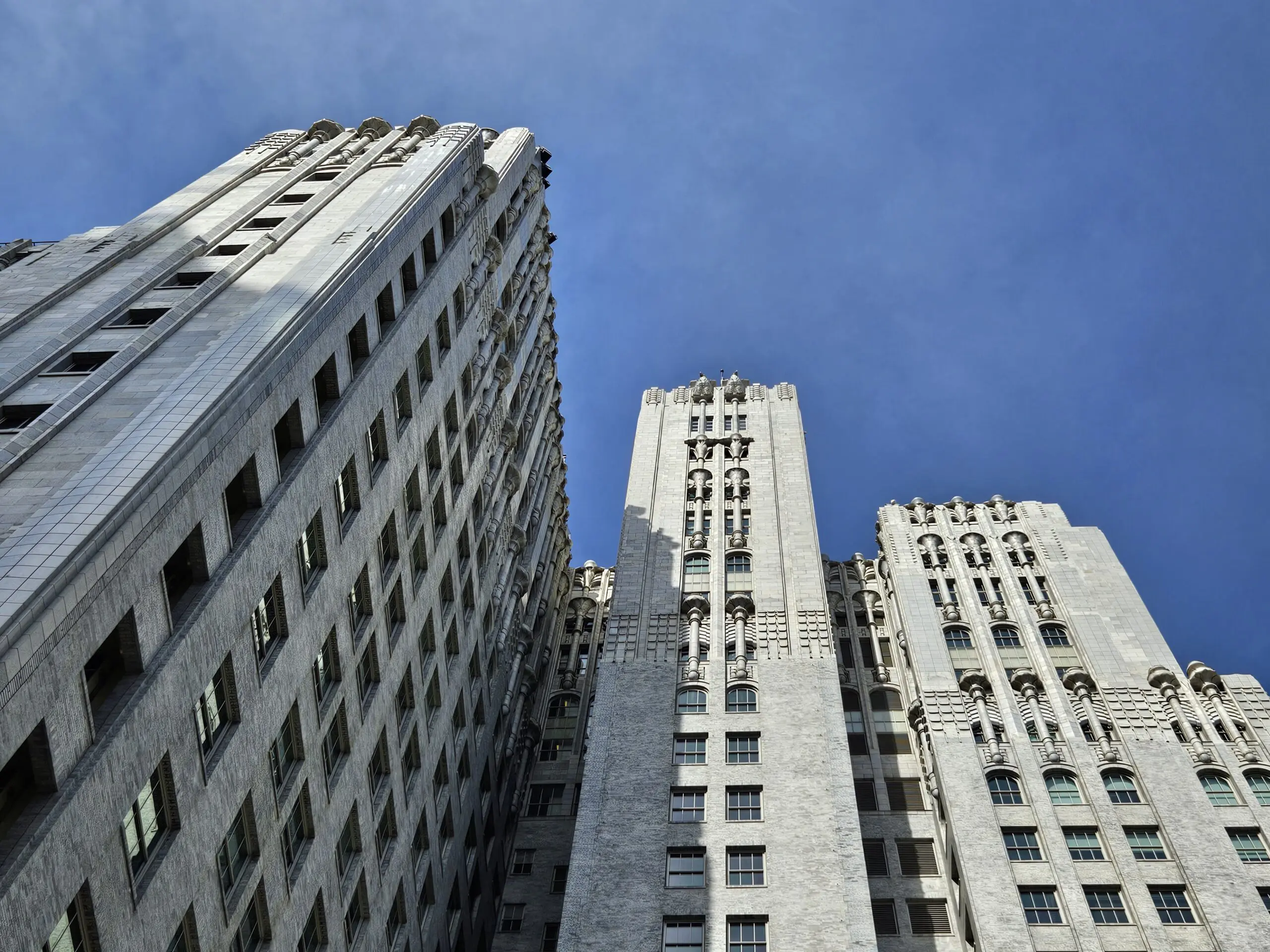
Where: SFMOMA, 151 Third Street, SoMa.
Hours: Monday and Tuesday 10 am to 5 pm, Wednesday closed, Thursday noon to 8 pm, Friday through Sunday 10 am to 5 pm. The museum is closed one day a week, which is worth checking against your plans before you go.
Cost: Admission terms are listed on the museum’s ticketing page. Check it before you travel, since SFMOMA prices some special exhibitions above general admission.
Getting there: Montgomery Street Station, served by BART and Muni Metro, is the closest rail stop, about three blocks north. The F Market and Wharves streetcar runs along Market Street from the same area.
If you are planning a fall museum run, SFMOMA opens RM x SFMOMA: Between You and Me on October 3, three weeks after the Matisse show closes. The free ground-floor Jacob Hashimoto kite installation needs no ticket at all.
Details from SFMOMA’s exhibition press release, released August 6, 2025 and updated May 5, 2026.
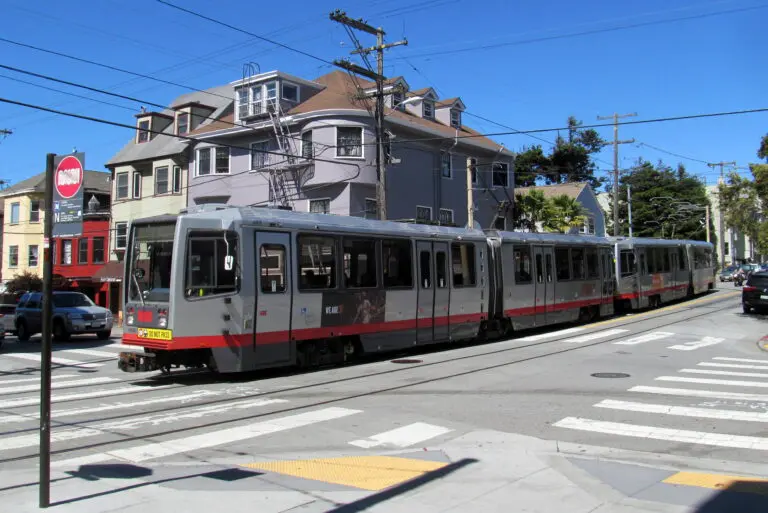
Photo: GualdimG, CC BY-SA 4.0, via Wikimedia Commons.
More SF News
 Ken Kesey’s Original Furthur Bus Is on Display in Golden Gate Park Through October 25Sep 8, 2026
 The Golden Gate Dozen Links 12 San Francisco National Park Sites in One 13-Mile RouteSep 7, 2026
 Muni Heritage Weekend Returns September 19 and 20 With Free Rides on Historic StreetcarsSep 7, 2026
 Cole Valley Is Getting Pasta Supply Co, a New Sushi Restaurant, and an Antique StoreSep 5, 2026