
The Castro:
Harvey Milk and the Rainbow Mile
The Castro became the center of gay life in San Francisco in the 1970s, and Harvey Milk turned it into a political force. Six stops cover the landmarks of that history, from the plaza named for Milk to the museum that holds his archive.
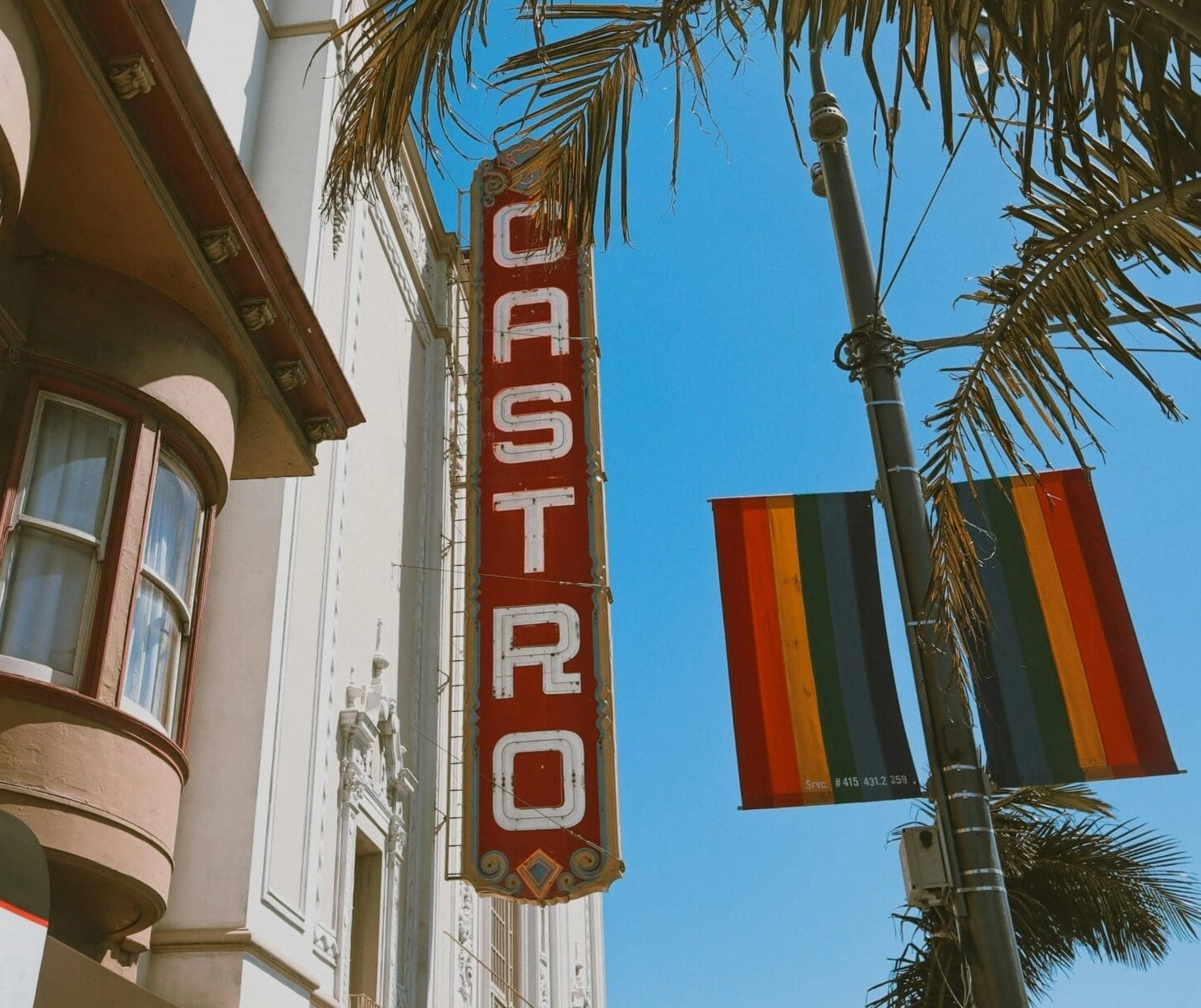
One street that changed the country.
The tour runs from Harvey Milk Plaza at Castro and Market south along Castro Street to 18th, then a few steps further to the GLBT History Museum. It is under a mile and mostly flat. Allow about 90 minutes, more with the theatre or the museum, both of which keep their own hours.
Each stop below is a pin in the free SFGuide app, with directions and a short audio note you can play as you stand there.

Harvey Milk Plaza
The plaza above the Castro Muni station, under the giant rainbow flag flown since 1997. Harvey Milk, the camera-shop owner who became one of the first openly gay elected officials in the country in 1977, was assassinated at City Hall on November 27, 1978, along with Mayor George Moscone. The plaza named for him is the front door of the neighborhood.
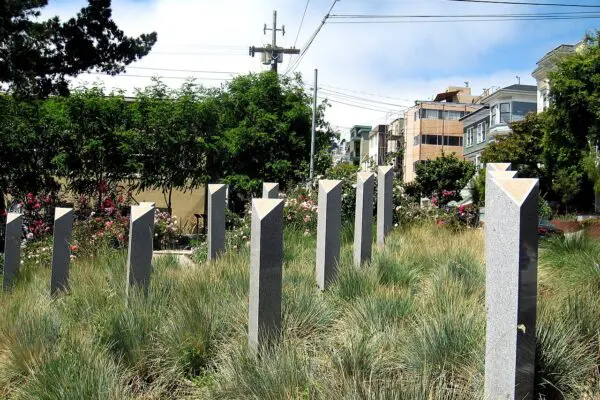
Pink Triangle Park and Memorial
The first permanent memorial in the United States to LGBTQ people persecuted and killed by the Nazi regime, dedicated in 2001. Fifteen granite pylons stand in pink crushed quartz, one for each thousand people forced to wear the pink triangle in the camps. The symbol was reclaimed as a badge of pride; this small park explains where it came from.
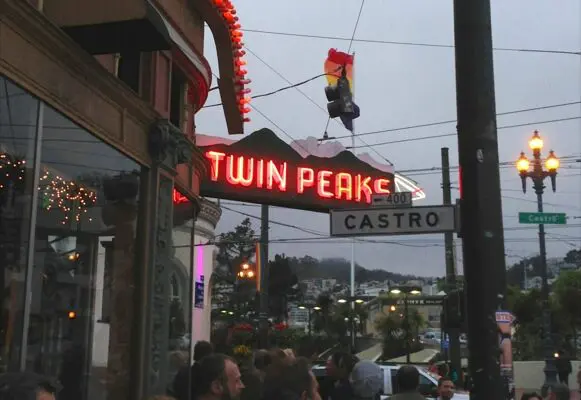
Twin Peaks Tavern
In 1972, owners Mary Ellen Cunha and Peggy Forster uncovered the plate-glass windows that gay bars had always blacked out. It is often cited as the first gay bar in the country where patrons could be seen from the street, a quiet act with enormous meaning. The stained glass and the windows remain, and it became a city landmark in 2013.
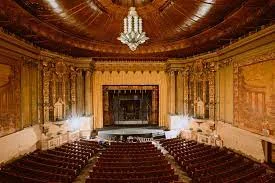
The Castro Theatre
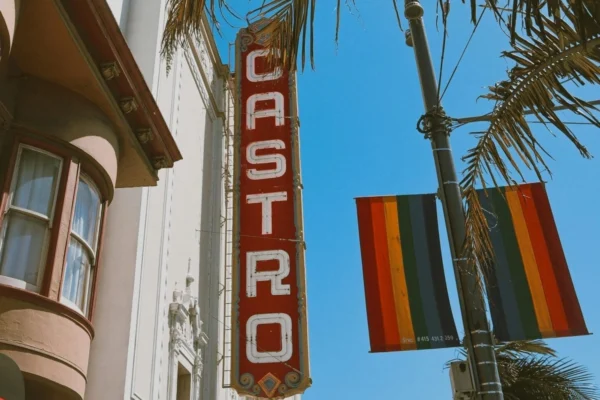
The 1922 movie palace by Timothy Pflueger, with its Spanish Colonial facade, neon marquee, and a Wurlitzer organ that rises before shows. It reopened in February 2026 after a $41 million renovation, programming film alongside live music and comedy. Home turf of the Frameline LGBTQ film festival and the sing-along tradition. Check the calendar.

Harvey Milk’s Castro Camera
Milk’s camera shop from 1972, which doubled as his campaign headquarters and the neighborhood’s organizing room. From this storefront he registered voters, ran for office until he won, and turned a neighborhood into a voting bloc. He lived upstairs. The space now holds the Human Rights Campaign store, with a plaque and mural marking the site.
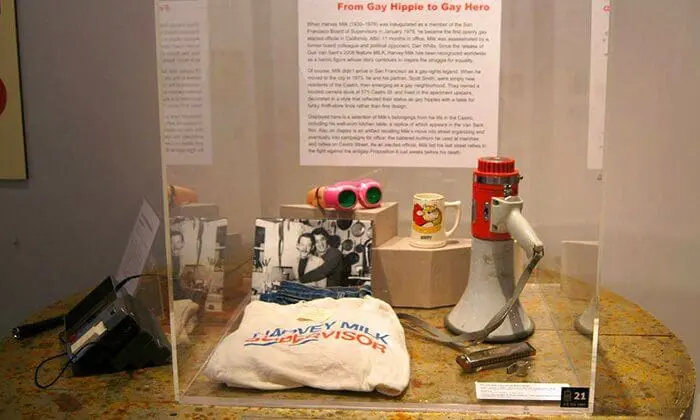
GLBT Historical Society Museum
The first standalone LGBTQ history museum in the United States, opened in 2011 and run by the GLBT Historical Society, keeper of one of the world’s largest queer history archives. Exhibits include Harvey Milk’s personal effects. Open Tuesday through Sunday with low-cost admission; closed Mondays. The walk ends here.
Worth adding nearby.
Four optional add-ons in the app: the Rainbow Honor Walk, the bronze sidewalk plaques honoring LGBTQ pioneers under your feet the length of the route; the Seward Street Slides, the steep concrete slides a 14-year-old designed in 1973, three blocks uphill (bring cardboard); Harvey’s and the White Night Riots, the corner bar police raided on the night of the Dan White verdict, the second half of the Milk story; and 2362 Market, the storefront where the AIDS Memorial Quilt was born in 1987.
Before you go.
Best time
Afternoons are lively, weekend afternoons busiest. The marquee and the plaza flag are lit after dark. June brings Pride and the crowds that come with it.
Getting there
The Castro Muni Metro station (K, L, M) sits directly under Harvey Milk Plaza, the first stop. The 24 Divisadero and 33 Ashbury buses also serve the neighborhood. About 15 minutes from downtown on Muni Metro.
Hours to check
The Castro Theatre runs on its event calendar, and the GLBT History Museum is closed Mondays. Check both if going inside matters to your plan.
Terrain
Castro Street between Market and 18th is mostly flat. The side streets climb fast, but this route stays on the level blocks.
Frequently asked.
How long does the Castro walking tour take?+
Is it free?+
Where does it start and end?+
When should I go?+
Keep exploring.

Walk the Castro with the guide in your pocket.
The full route, the map, and the audio for every stop, free on iOS and Android. Written by a local guide. No ads, no affiliate nonsense.