
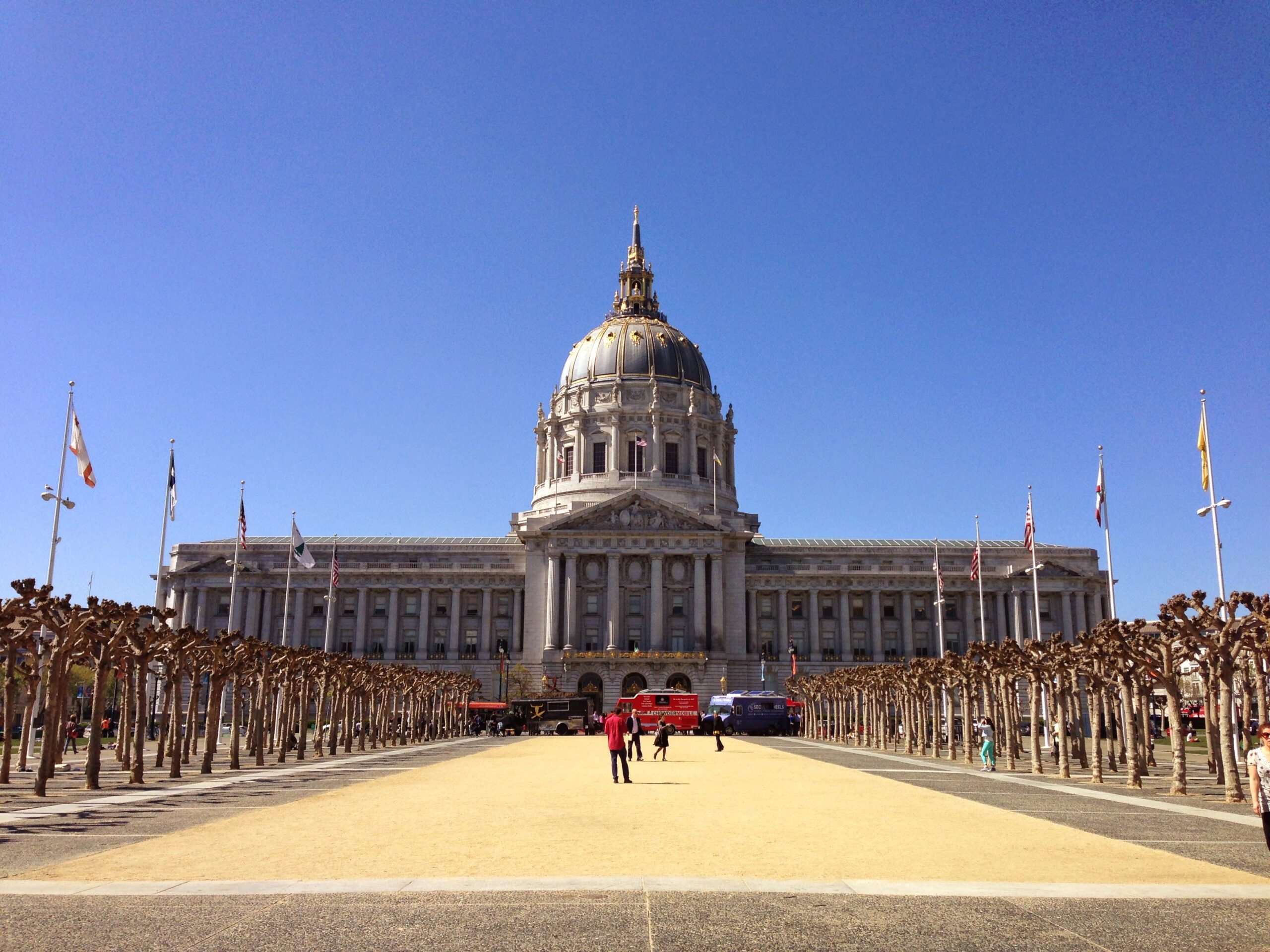
Report Finds 147 Public Properties San Francisco Could Weigh for Affordable Housing
San Francisco’s public agencies own 147 properties that should be evaluated for affordable housing, consolidation or sale, according to a report from the Board of Supervisors’ Budget and Legislative Analyst’s Office released on Tuesday, September 29, 2026. Supervisor Danny Sauter, who represents District 3, requested the analysis.
What the report found
Based on reporting by the San Francisco Standard and Hoodline, the main findings are:
- 147 sites. The analysts reviewed land owned by the city, the San Francisco Unified School District and the community college district. The Port of San Francisco holds the largest share, 32 properties. Others belong to the SFMTA, the Fire Department, SFUSD and Recreation and Parks.
- A reporting law that went quiet. A 2002 city law requires most departments to report surplus or underused property to the city administrator every year. No department reported any between fiscal 2017-18 and 2025-26, per the Standard. The Port, the SFMTA and Recreation and Parks are exempt from the law.
- One named site. The Human Services Agency headquarters at 170 Otis St. is rated at risk of partial or total collapse in a major earthquake. The report estimates the site could hold about 270 homes.
- Money, not land, is the bottleneck. Land is about 10 percent of the cost of building an affordable unit, and at least 12,600 affordable units are stalled for lack of funding. “Without sufficient and consistent funding, identifying additional city-owned sites alone will not accelerate affordable housing production,” the analysts wrote.
What the analysts recommend
The report suggests the Board of Supervisors adopt a citywide public-land policy, put one office (the Office of Economic and Workforce Development or the city administrator) in charge of reviewing properties, bring the exempt agencies into the process, and fund staff dedicated to the work. It also points to New York City, where a task force set up this year is identifying public sites for more than 25,000 homes over ten years. Separately, the Standard reports that the SFMTA has reviewed about 90 of its own properties and is ranking them by housing potential, ridership gains and revenue.
Sauter told the Standard the city should set “specific goals, establishing clear ownership of the initiative, and enforcing timelines.” He called vacant city-owned property “particularly insulting.”
Why it matters
San Francisco has built about 12 percent of the 82,000 homes its state housing mandate calls for by 2031, according to both outlets. The report does not commit the city to building on any site. Any public-land policy would need legislation from the Board of Supervisors, and neither outlet reported a hearing date. For more on City Hall this fall, see our coverage of the charter measures on the November ballot.
Sources: San Francisco Standard (September 29, 2026); Hoodline (September 30, 2026).
Photo: bryan…, CC BY-SA 2.0, via Wikimedia Commons.
More SF News
 Axis Mundi, a 20-Foot Steel Sculpture by HYBYCOZO, Is Now in Alamo Square for a YearOct 21, 2026
 California Climbing Collective Opens on Folsom Street in SoMa With Ungraded BoulderingOct 20, 2026
 Oh, Mary! Plays the Curran Through November 1, With Box Office Rush Seats From $59Oct 19, 2026
 Shinka Replaces Prelude at The Jay Hotel With a Japanese-French Tasting MenuOct 19, 2026