
San Francisco Supervisors Pass a 45-Day Freeze on New Data Centers
Update, October 18, 2026: Mayor Daniel Lurie signed the moratorium on Friday, October 16, putting the 45-day pause into effect, The San Francisco Standard reported. Lurie said the city will “develop a thoughtful, responsible framework” during the pause. That settles the question of when the pause starts, discussed below.
Update, October 8, 2026: The San Francisco Board of Supervisors approved Supervisor Shamann Walton’s 45-day moratorium on new data centers on Tuesday, October 6. The San Francisco Standard reported the vote as unanimous, which clears the four-fifths threshold described below. The original September 17 report follows, with the sections on the vote and next steps revised.
Walton introduced the urgency ordinance on September 15, a day after announcing it on the City Hall steps with co-sponsors Connie Chan, Chyanne Chen and Jackie Fielder.
What the Ordinance Does
It pauses city approvals of new data centers while the Board of Supervisors and the Planning Department study their effects and write new rules. San Francisco currently regulates data centers under a Planning Code category called “internet service exchange,” adopted in 2001. Under those rules a data center is typically approved through a conditional use hearing at the Planning Commission.
“We cannot use 2001 rules to regulate 2026 technology,” Walton said in a statement released with the legislation.
Walton’s stated goal is a permanent ban, with the 45-day pause as the first step. His office says he has been working on the legislation for months.
The Four-Fifths Problem
The ordinance is an urgency interim zoning measure under California Government Code Section 65858, which requires a four-fifths vote. On an eleven-member Board of Supervisors that means nine votes, not a simple majority of six. The board also has to make a finding that new data centers pose a current and immediate threat to public health, safety or welfare. The October 6 vote met that bar.
Reports differ on when the pause starts. Mission Local wrote that it took effect immediately. The Standard wrote that it takes effect in 10 days unless Mayor Daniel Lurie returns it sooner or vetoes it; the Standard did not report the mayor’s position. Once in effect it runs 45 days. State law then allows extensions, first by ten months and fifteen days and then by a further year, to a maximum of roughly two years, each extension requiring its own findings and public notice. Mission Local reported that an extension of up to 22 months is possible if the study finds significant environmental impacts.
Why the Bayview
San Francisco has about a dozen data centers. Two of them are in the Bayview, the neighborhood Walton represents in District 10, where residents have been raising air quality and pollution complaints for decades. Several approvals have also landed in South of Market.
The specific facility behind the timing is NOVVA’s site at 400 Paul Avenue, which brought a first 9-megawatt phase online this summer as part of a planned 36-megawatt build. Mission Local reported that a moratorium, if extended, could interrupt that expansion. The site sits across from Digital Realty’s 450,000-square-foot telecom building at 200 Paul Avenue, in one of the most heavily industrial stretches of the city.
Mission Local reported that the pause applies to NOVVA’s planned expansion and to a proposed 160,000-square-foot data center at 1215 Michigan St. in Dogpatch, where permits have been filed but no construction has started. The Standard reported that a lobbyist for a private equity firm backing a 1.6-acre data center on that waterfront lot met with two of Lurie’s policy chiefs in August.
Data centers are also an issue in the race to replace Walton, who is termed out. Candidates for the District 10 seat have broadly backed restricting new ones.
The Rest of the Bay Area
Gilroy approved its own 45-day moratorium on new data center applications on September 14. Hayward’s city council took up a referral to ban them the same week, after public objections to a 76.6-megawatt facility approved with 28 backup diesel generators. Oakland’s City Council approved its own moratorium on October 6, the same day as San Francisco’s vote. Richmond and Oakley already have moratoriums in place. Pittsburg has a 92-megawatt proposal with three dozen diesel generators drawing local objections.
A July survey by the Public Policy Institute of California found 73 percent of California residents opposed to building data centers in their own communities, citing grid strain, noise and water use.
What Happens Next
During the 45 days the Planning Department is studying data centers’ effects on energy, water, air quality, land use and nearby residents, and will present its findings at a hearing. The Standard reported that hearing is planned for November. The findings could lead to an extension, to permanent controls, or to neither. Walton’s term ends in January 2027, which could come before an extended moratorium ends. We will update this post when the board acts again.
For the other civic decisions moving through City Hall this month, see our coverage of the appeals court ruling on the Empty Homes Tax and the mayor’s rent emergency declaration.
Sources: The San Francisco Standard, October 16; Mission Local and The San Francisco Standard, October 6; SFist, October 7; KQED, September 15; Bay City News via NBC Bay Area, September 15; Hoodline, September 11; Mission Local.
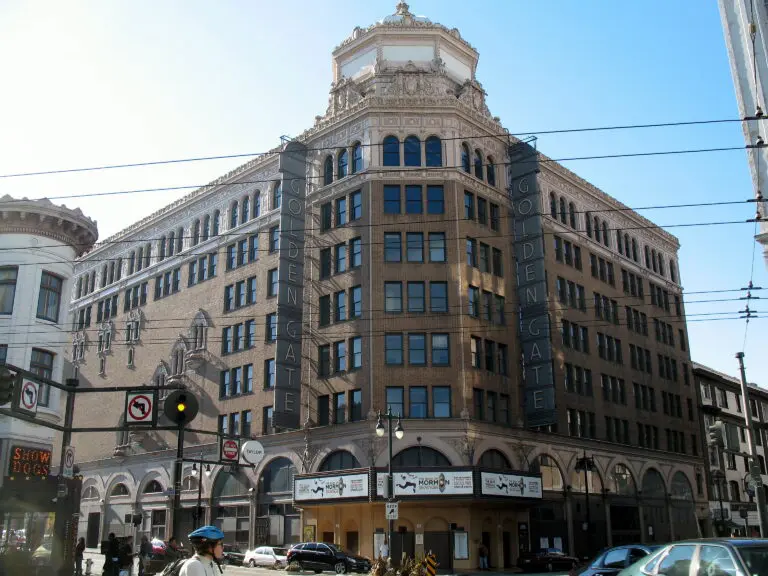
Photo: Pi.1415926535, CC BY-SA 4.0, via Wikimedia Commons.
More SF News
 San Francisco Speed Cameras Cut Excess Speeding 84 Percent in 18 Months, SFMTA Report SaysOct 17, 2026
 Westbound I-80 Closes Through SoMa October 23 to 26 for Bayshore Viaduct WorkOct 17, 2026
 Highway 37 Closes Both Ways Between Vallejo and Sears Point October 23 to 26 for El Niño WorkOct 16, 2026
 Mid-Market Gets $500,000 for a Theater District Pilot on the 900 Block of Market StreetOct 16, 2026