BART Changes Its Systemwide Schedule August 10, With Longer Trains Starting July 20
BART is changing its systemwide schedule on August 10, 2026, and riders will start seeing longer trains even sooner, beginning Monday, July 20. The transit agency announced the plan on July 9, 2026, describing a set of changes it says will even out train spacing, shorten several transfers, and reduce crowding, with some departure times shifting by a few minutes. BART is asking riders to check their trip before August 10 to see whether it is affected.
Longer Trains Starting July 20
The first change arrives Monday, July 20, when BART begins running longer trains during peak commute hours on the Red, Yellow, Blue, and Green lines, with some shorter trains during off-peak times and on the Orange Line. Red Line peak trains go to 10 cars, up from the current 8 and 6, with 5-car trains off-peak. Eight of the busiest morning Yellow Line trains and six of the busiest afternoon trains increase to 10 cars. The Green Line adds two more 8-car morning trains toward San Francisco, and the Blue Line adds one more 8-car afternoon train toward the East Bay. These longer trains carry over into the August 10 schedule.
Reworked Spacing and Transfers
The August 10 change is built around more even spacing. Yellow and Red line trains toward Richmond will run 10 minutes apart, instead of the current 5 and 15 minutes. Green and Blue line trains toward Dublin and Berryessa will be spaced 8 and 12 minutes apart, rather than the current 3 and 17. BART is also adding new timed transfers: a cross-platform connection at Bay Fair between Dublin (Blue Line) and Berryessa (Orange Line) trains, which takes 19 minutes today and will change to the two trains pulling in together, and a new four-minute transfer at MacArthur for Antioch riders heading toward Richmond, replacing a connection the agency says runs 17 minutes longer now.
Daly City Station Becomes a Center Platform
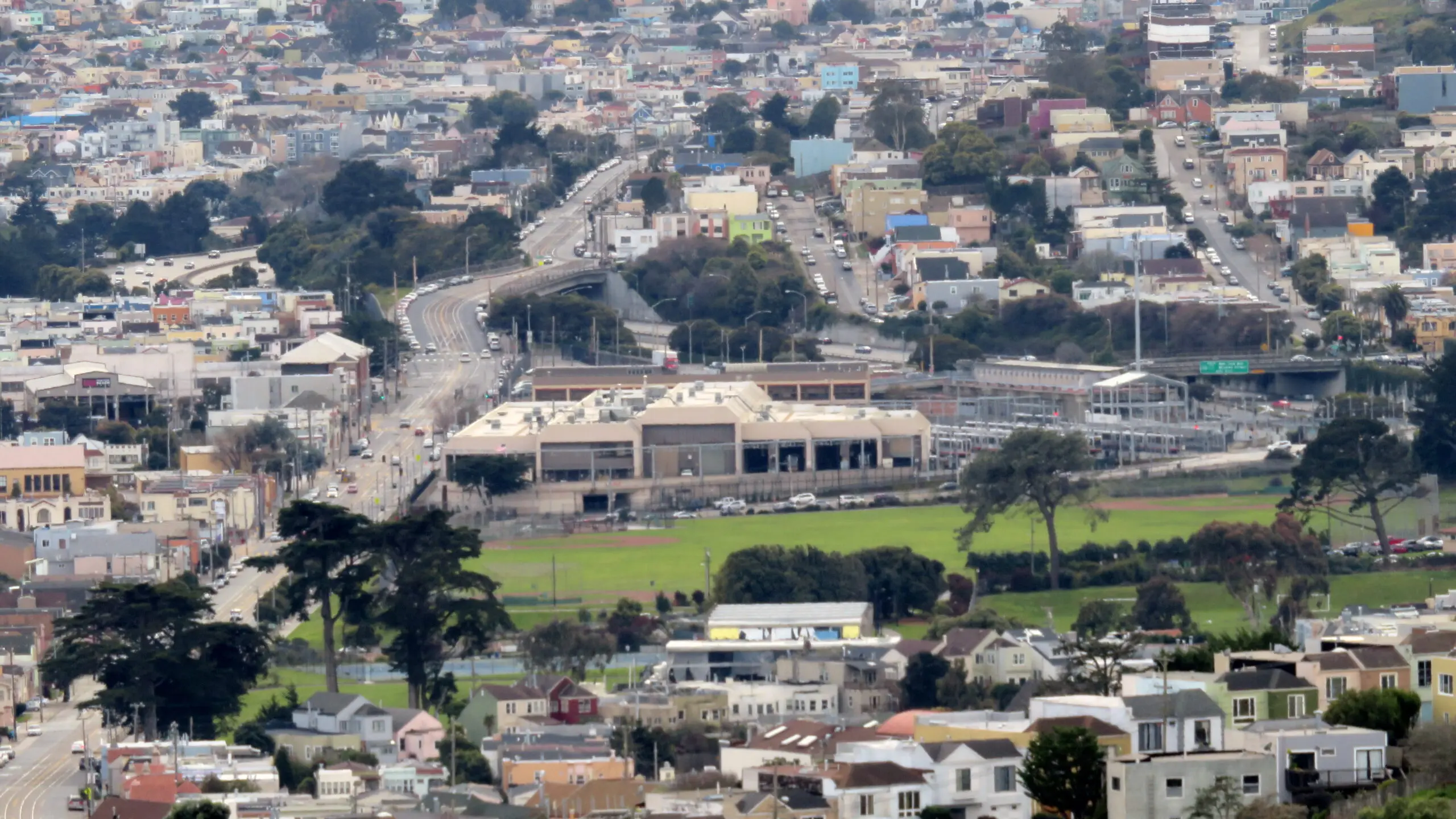
The efficiencies come from changing how trains move through Daly City Station, which BART will operate as a center platform station like its stations inside San Francisco. All San Francisco-bound trains will depart from a single platform. Platform 3 becomes an exit-only terminal for Blue and Green line riders, whose trains then head to a nearby yard, while boarding happens on Platforms 1 and 2 for Yellow and Red line service. BART advises Blue and Green line riders continuing past Daly City, such as to San Francisco International Airport, to transfer to a Red or Yellow line train at Balboa Park for a same-platform connection rather than switching platforms at Daly City.
What It Means for Visitors
For travelers, the change that matters is on the airport corridor. BART’s Red and Yellow line trains through SFO Station will be better spaced to cut down on confusion over which train boards first, a problem the agency acknowledged at the airport platform. Late-evening riders between Daly City and Millbrae should still expect delays after 9pm Sunday through Thursday, because of ongoing construction to replace BART’s train control system. Riders connecting to Caltrain at Millbrae should check the updated BART/Caltrain transfer timetable, since some of those connections change.
Part of a Regional Sync
The BART change is timed with a wider Bay Area effort called the Big Sync, in which transit agencies across the region coordinate schedule changes twice a year, in mid-August and mid-January, to line up bus and rail transfers. BART says the August adjustments are cost neutral. The changes are separate from the Connect Bay Area sales-tax measure that qualified for the November 2026 ballot, which would fund transit operations across five counties.
Details are from BART’s July 9 announcement. The schedule change was also reported on July 10 by SFist. For more on getting around the city, see our guide to things to do in San Francisco in July 2026, and our earlier report on the Connect Bay Area transit measure.
Photo: Pi.1415926535, CC BY-SA 3.0, via Wikimedia Commons.
More SF News
 Transit Month Runs All September in the Bay Area, With Free Events and a Ride ContestSep 8, 2026
 Ken Kesey’s Original Furthur Bus Is on Display in Golden Gate Park Through October 25Sep 8, 2026
 The Golden Gate Dozen Links 12 San Francisco National Park Sites in One 13-Mile RouteSep 7, 2026
 Muni Heritage Weekend Returns September 19 and 20 With Free Rides on Historic StreetcarsSep 7, 2026