Caltrain Adopts Its First Rider Code of Conduct, Effective October 19
Caltrain now has a written passenger code of conduct for the first time. The Peninsula Corridor Joint Powers Board, the agency’s governing body, approved it unanimously at its September 3 meeting. A two-week education period starts October 5, and the rules take effect October 19.
If you ride Caltrain into San Francisco from the airport corridor, the Peninsula or San Jose, here is what changes and what does not.
What the code covers
Most of the listed behavior was already illegal under California law. Smoking, public urination and fare evasion are covered by Penal Code 640 and Public Utilities Code 99580. The code restates them in one place and adds items specific to Caltrain: harassment, discrimination, opening or tampering with emergency doors and windows, and what the document calls a willful disturbance. That category includes fighting, unwanted physical contact, spitting, excessive noise, vandalism and littering.
One rule is worth knowing before a Giants game. Caltrain still allows alcohol on board, which sets it apart from BART and Muni. The new code specifies that alcohol may not be consumed or sold at stations without permission. The distinction is the platform, not the train.
Who enforces it
Conductors can warn passengers and remove them, but they cannot write citations for conduct violations. That authority sits with the San Mateo County Sheriff’s Office Transit Police Bureau. The one exception is fare evasion, which conductors can cite directly.
Caltrain Chief Operating Officer Theodore Burgwyn told the board the aim was “to set expectations for passengers and allow for enforcement by police without imposing additional duties to onboard staff and risking escalation,” according to The Almanac, which covered the meeting. Caltrain spokesperson Randol White told the paper there was no single incident behind the change, and that informal guidance had always been posted on the agency’s website.
Between October 5 and October 19, Caltrain plans a code of conduct website, decals on board, printed flyers and conductor announcements.
Why now
Ridership is the context. The Executive Director’s report to the same September 3 board meeting records July 2026 as the highest ridership month since 2019, the fifth consecutive month to set that mark, with monthly ridership up 22.6 percent against July 2025 and weekend ridership up 25.8 percent. On-time performance was 94.9 percent in August.
Event trips are a visible part of that. The same report counts an average of 7,890 riders per Giants game across 16 August home dates at Oracle Park, and 9,800 riders for a single Noah Kahan concert there on August 21.
Adina Levin, co-founder of Friends of Caltrain, told The Almanac that a code brings Caltrain in line with other operators. BART and VTA have had customer codes for years.
What it means if you are visiting
Caltrain’s two San Francisco stops are the San Francisco station at 4th and King, a few minutes’ walk from Oracle Park and Chase Center, and 22nd Street. Nothing about tickets, Clipper or schedules changes on October 19. The practical difference is that a conductor now has a written rule to point to, and repeated violations can end a trip.
One piece is still open. Whether small pets in carriers will be allowed is being worked out separately, and no date has been set for that policy to reach the board.
September is also Bay Area Transit Month, and Caltrain is running events through September 30. For the rest of what is on this month, see our September 2026 guide.
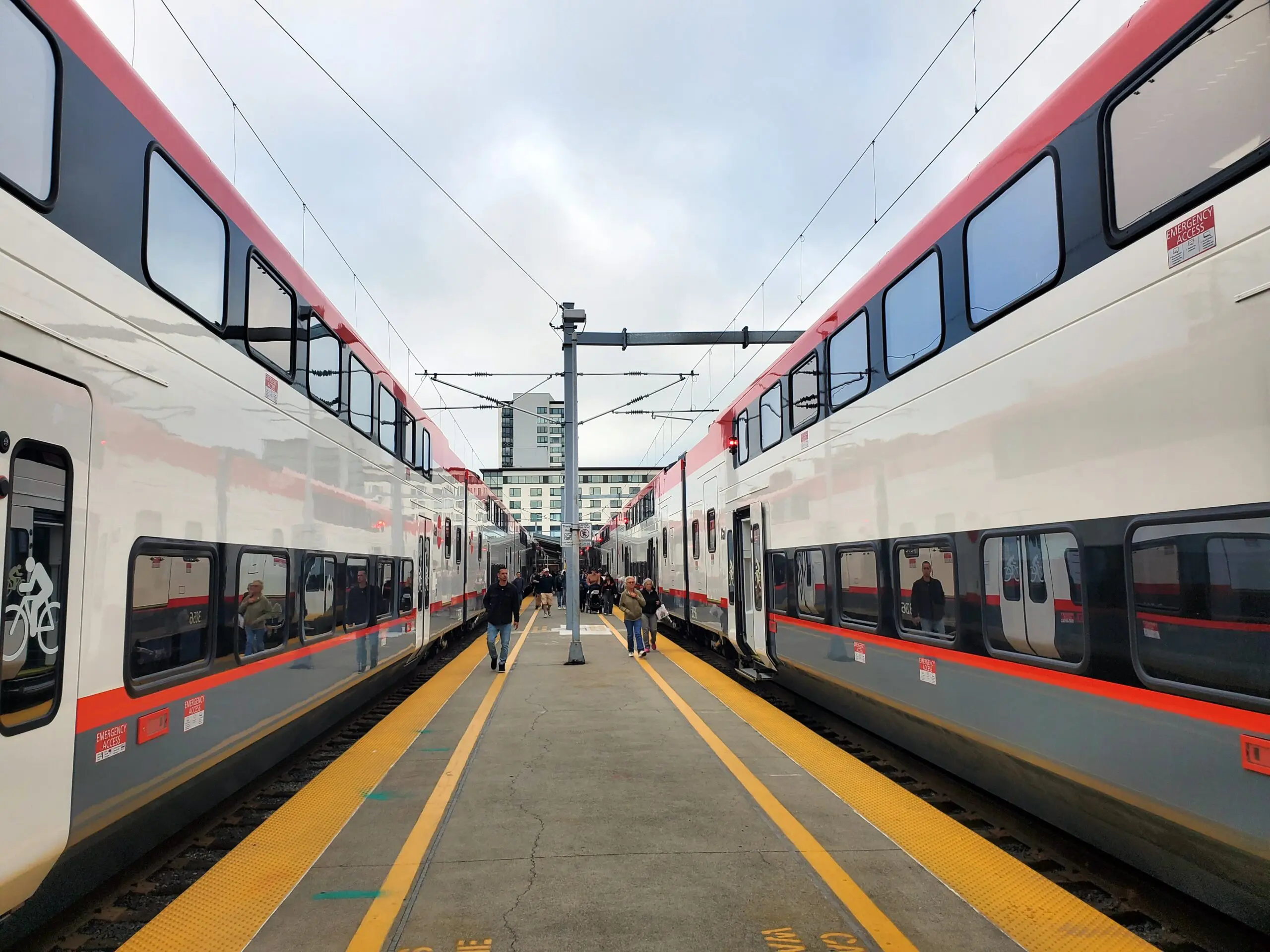
Photo: Pi.1415926535, CC BY-SA 4.0, via Wikimedia Commons.
More SF News
 U.S. Supreme Court Ends Hastings Descendants’ Challenge to UC Law San Francisco’s NameOct 21, 2026
 Axis Mundi, a 20-Foot Steel Sculpture by HYBYCOZO, Is Now in Alamo Square for a YearOct 21, 2026
 California Climbing Collective Opens on Folsom Street in SoMa With Ungraded BoulderingOct 20, 2026
 Oh, Mary! Plays the Curran Through November 1, With Box Office Rush Seats From $59Oct 19, 2026