
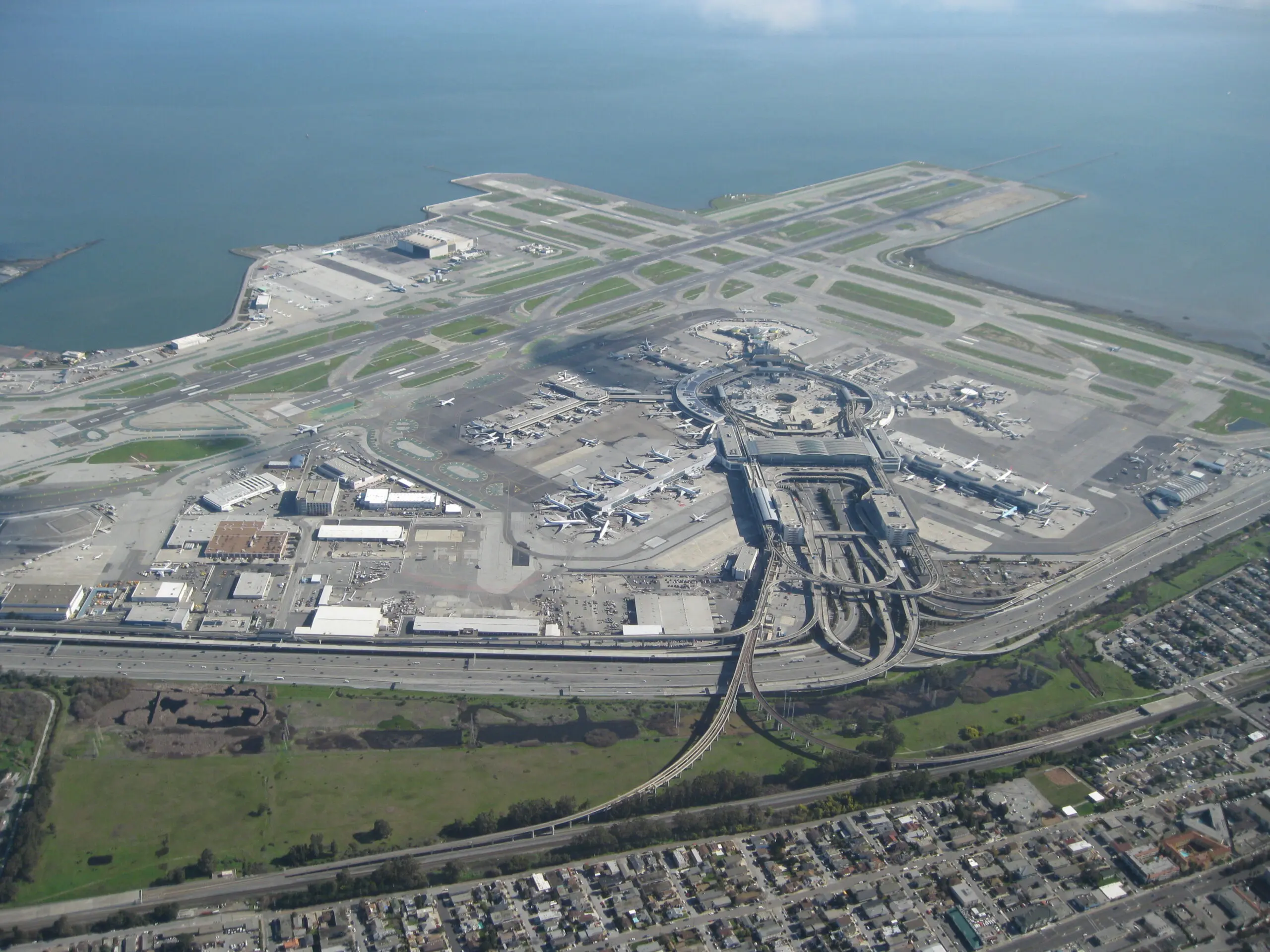
SFO Reopens Runway 1R September 29, Ending Six Months of Reduced Capacity
San Francisco International Airport plans to reopen Runway 1R on September 29, three days ahead of the October 2 date it set when the repaving project began on March 30. The reopening returns the airport to its full four-runway layout for the first time in six months, and SFO expects arrival capacity in clear weather to rise to about 48 planes an hour.
What was closed, and why it slowed things down
Runway 1R is the shortest of SFO’s four runways, though it still runs close to a mile and a half and is 200 feet wide. Its closure moved all takeoffs and landings onto the two longer 28L and 28R runways, with the parallel 1L runway used only as a taxiway, according to SFist, citing the Chronicle and SFO officials.
The repaving alone was not expected to cause major delays. What changed the picture was a Federal Aviation Administration order in the spring that ended SFO’s longstanding practice of simultaneous parallel landings on 28L and 28R, cutting hourly capacity further. KTVU reports that 41 percent of flights were delayed during the closure. In August the FAA allowed closely staggered parallel landings to resume, which SFist reports lifted clear-weather arrivals from 36 an hour to 45.
Once 1R is back in service, airport spokesperson Doug Yakel told the Chronicle that arrivals should reach about 48 an hour in good weather. That is below the 54 an hour possible before the closure, but Yakel said the airport rarely hit that number day to day, so 48 should feel like normal operations.
The project by the numbers
The runway rebuild cost $215 million, funded mainly by federal airport grants and federal taxes on airline tickets, aviation fuel and cargo, per KTVU. Crews laid 64 miles of cable, installed nearly 2,500 lights, and put up signage that KTVU says would cover nine football fields. The contractor was Granite Construction.
SFO’s previous runway project, in the first half of 2024, took the more heavily used 28L out of service and caused more than five months of delays. This year’s work was on a lower-traffic runway, which is why the FAA restriction mattered so much.
What this means if you’re flying in or out
The change is about capacity, not schedules. Airline timetables do not change on September 29; what changes is how many arrivals the airport can accept per hour, which is what drove the summer’s delays. KTVU notes that the timing puts the work ahead of the holiday travel period.
Both of SFO’s shorter runways have arrestor beds at their ends, made of crushable concrete or foam blocks, designed to slow an aircraft that cannot stop in time. That safety system is unchanged by the project.
If you’re heading into the city after landing, BART runs from the International Terminal to downtown; our September guide has the current transit changes to plan around, including the Highway 101 closures through the Hospital Curve that continue on weekends into October.
Sources: KTVU (September 16, with a correction on how many days early the project finished), SFist (September 17, citing the San Francisco Chronicle and SFO officials). The exact reopening date and hourly figures come from SFO through those reports.
Photo: Calbookaddict, CC BY 3.0, via Wikimedia Commons.
More SF News
 Embarcadero Park Pavilion: Three Designs Go to the Arts Commission October 19Oct 18, 2026
 San Francisco Speed Cameras Cut Excess Speeding 84 Percent in 18 Months, SFMTA Report SaysOct 17, 2026
 Westbound I-80 Closes Through SoMa October 23 to 26 for Bayshore Viaduct WorkOct 17, 2026
 Highway 37 Closes Both Ways Between Vallejo and Sears Point October 23 to 26 for El Niño WorkOct 16, 2026