The Tenderloin
About The Tenderloin
The Tenderloin is one of the densest neighborhoods in San Francisco. Depending on how the boundaries are drawn, 28,000 to 35,000 people live in roughly 50 square blocks, the majority in single-room-occupancy hotels built after the 1906 fire.
The neighborhood remains working-class largely because of zoning protections won by community organizing in 1981. Developers proposed converting the SRO hotels to tourist hotels or replacing them with office buildings; residents organized and sued, and the city created a zoning overlay that capped building heights at the residential-hotel scale and required most SROs to remain residential. Nonprofits including the Tenderloin Housing Clinic and TNDC own roughly a third of the housing stock and operate it as permanently affordable.
Most buildings in the neighborhood date between 1907 and 1930. More than 400 of them are on the National Register of Historic Places as the Uptown Tenderloin Historic District. The Tenderloin Museum sits on the ground floor of the Cadillac Hotel at Eddy and Leavenworth, the first structure rebuilt in the Uptown Tenderloin after the fire.
Vietnamese refugees settled in the area in significant numbers in the 1970s and 1980s. Larkin Street between Ellis and O’Farrell was formally designated Little Saigon in 2004. Yemeni, Pakistani, Cambodian, and Filipino families also live in the neighborhood.
How to Walk the Tenderloin
The neighborhood has three main north-south streets
Larkin Street is the food street. From the Tenderloin Museum at Eddy and Leavenworth, walk two blocks up Eddy to Larkin and turn north. Larkin between Ellis and O’Farrell is Little Saigon. Saigon Sandwich at 560 Larkin has been making banh mi since 1981; it’s cash only and takeout focused, and sandwiches currently run roughly $5 to $7. Pho 2000 and Lers Ros are on the same stretch.
Polk Street, two blocks west of Larkin, has a broader mix. Brenda’s French Soul Food at 652 Polk serves Cajun and Creole food including beignets and shrimp and grits; weekend lines are long. North of the Tenderloin, Polk continues into Nob Hill with bars, Thai restaurants, and cocktail rooms.
Jones and Leavenworth Streets hold the bar and theater corridor. Bourbon & Branch at 501 Jones is a Prohibition-era speakeasy behind an unmarked door (the address actually operated as an illegal speakeasy from 1921 to 1933, under the front of a cigar shop). Reservations are required for the main rooms. A connected walk-in room called The Library is accessible without a password from 6 PM to 2 AM seven days a week; you enter through a bookcase.
What to Know Before You Go
The city concentrates social services for the unhoused in the Tenderloin, which is part of why open drug use and homelessness are more visible here than in other parts of the city.
Filmed in The Tenderloin
All San Francisco films →61 productions filmed around The Tenderloin, oldest first.
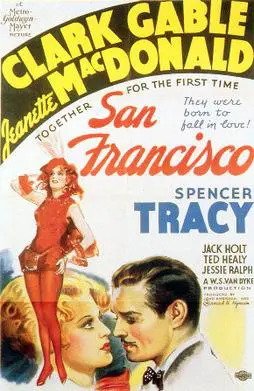 1936San Francisco
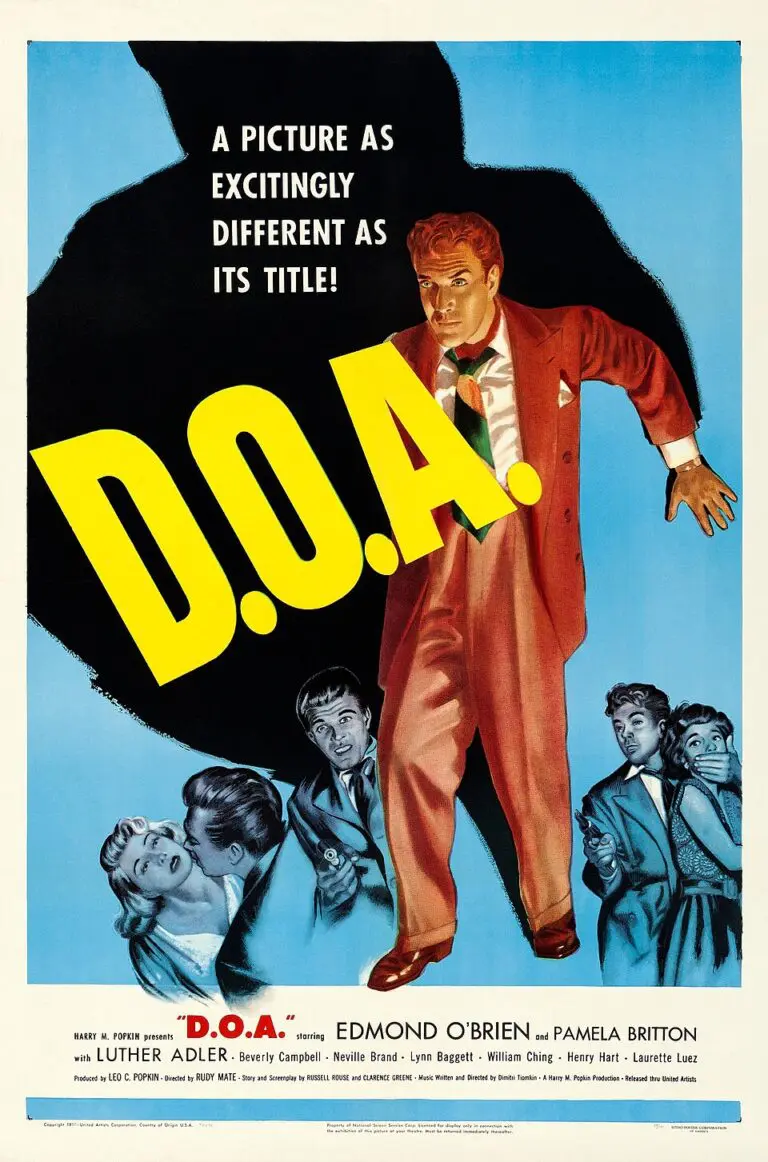 1950D.O.A
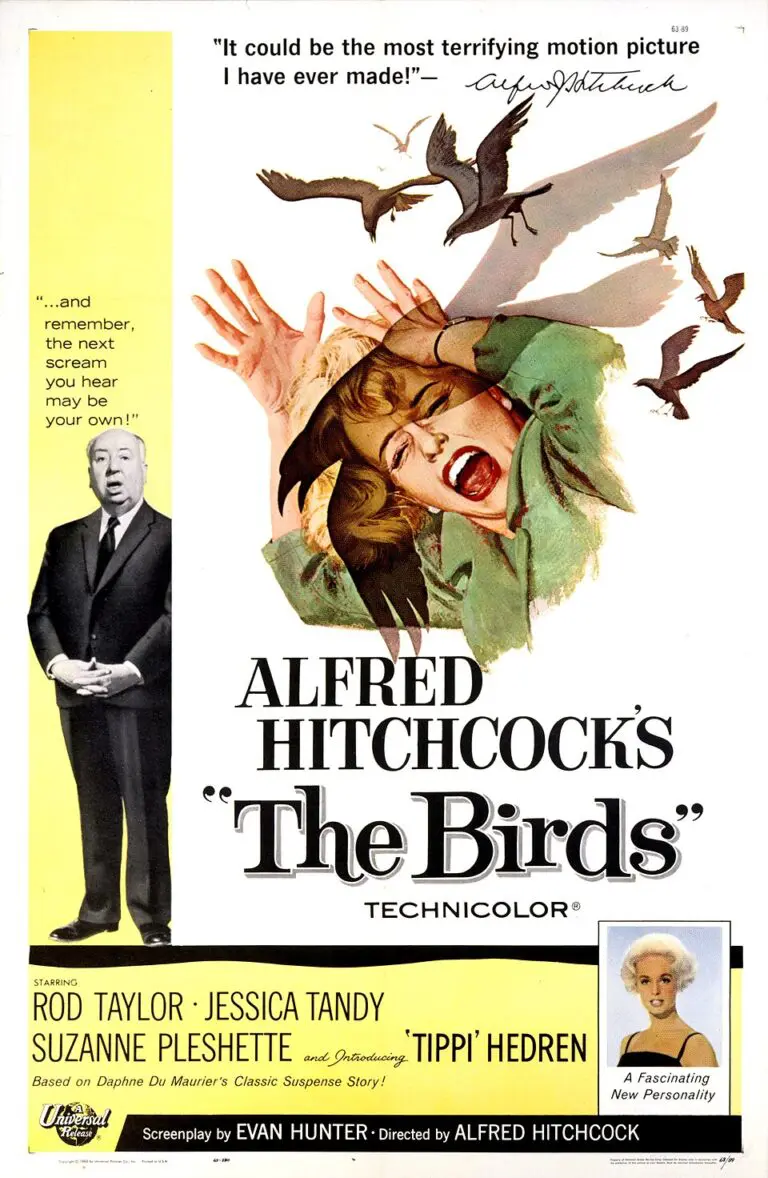 1963The Birds
 1972The Candidate
 1972What’s Up Doc?
 1973Magnum Force
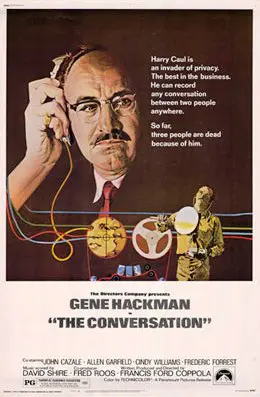 1974The Conversation
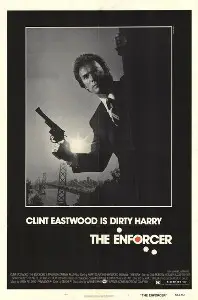 1976The Enforcer
 1978Invasion of the Body Snatchers
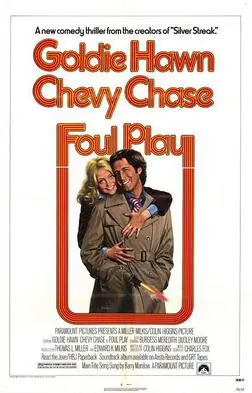 1978Foul Play
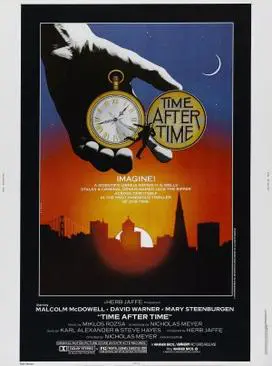 1979Time After Time
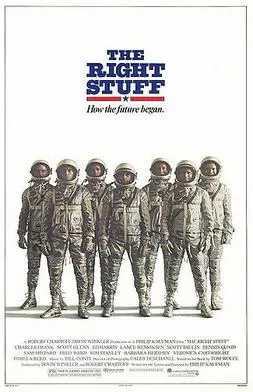 1983The Right Stuff
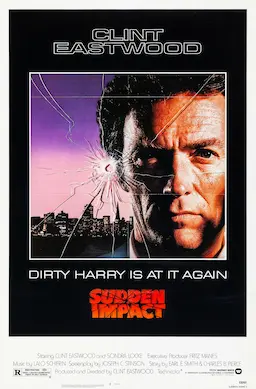 1983Sudden Impact
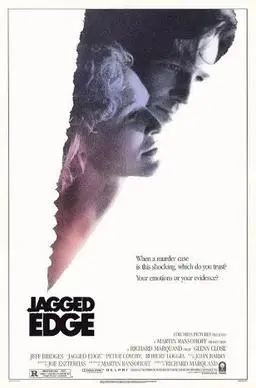 1985Jagged Edge
 1985A View to a Kill
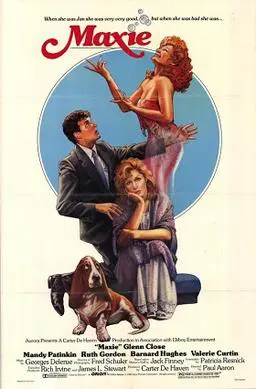 1985Maxie
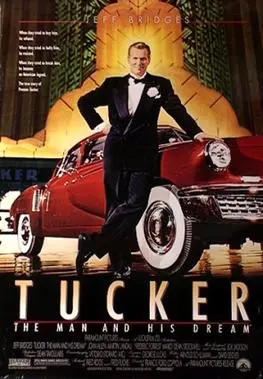 1988Tucker: The Man and His Dream
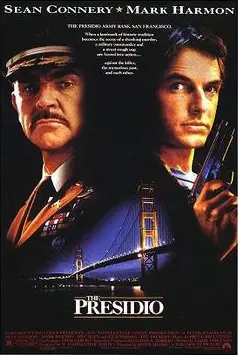 1988The Presidio
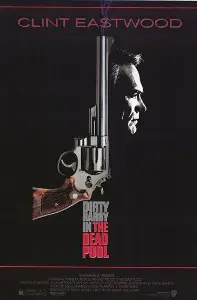 1988The Dead Pool
 1991Class Action+41more on recordEvery film shot in San Francisco →
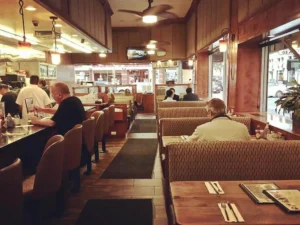
Where to Eat
All restaurants →
Where to Drink
All bars →
Pacific Cocktail Haven
One of the country's most awarded cocktail bars. Order bartender's choice.
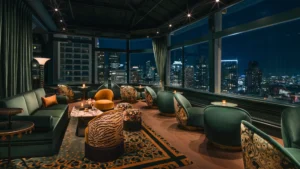
Starlite
Sky-high cocktails near Union Square. Thursday through Sunday only.
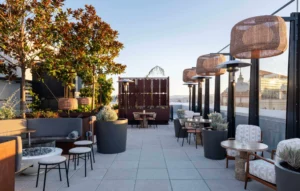
Rise Over Run
Fire pits under glass and American-Asian plates. Works rain or shine.
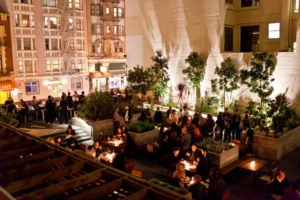
Jones
Patio drinks and Sunday drag brunch. Cocktails $14 to $18.
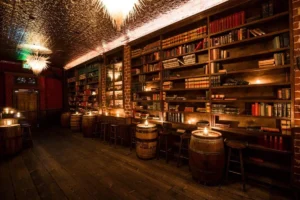
Bourbon & Branch
Reserve a room, or walk into the Library with the password "books."
Things to Do
All activities →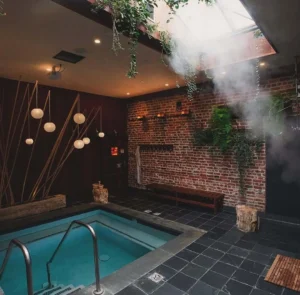
Onsen
Japanese-inspired communal bathhouse in the Tenderloin with a 104-degree soaking tub, redwood sauna, steam room, and cold plunge, reopened after a five-year closure.
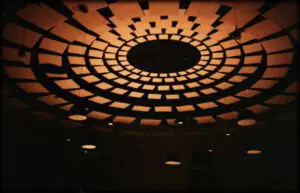
Audium
Stan Shaff founded Audium in 1962 and opened the current Bush Street room in 1975: a sound-art theater with 50 seats surrounded by 176 speakers in the walls, ceiling, and floor. The 75-minute performances run in total darkness, no phones, no talking. About $25, Friday and Saturday evenings.
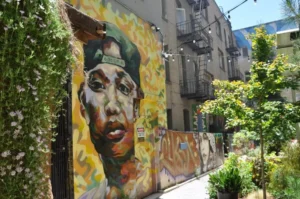
Tenderloin National Forest
Redwoods, murals, koi ponds, and a handmade clay oven inside; the dense Tenderloin outside.
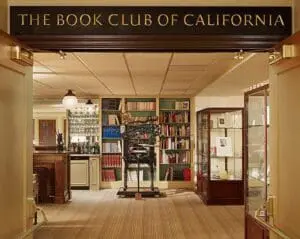
Book Club of California
Nonprofit founded in 1912 for fine printing, book arts, and California literary history, with a library of rare editions, fine press books, and West Coast works most public libraries don't hold. Free public lectures and rotating exhibitions on typography, bookbinding, and letterpress.
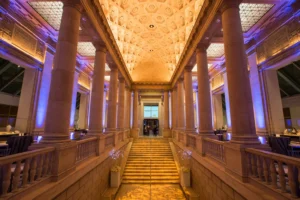
Asian Art Museum
Don't miss the rooftop terrace.

Heart of the City Farmers Market
One of the few farmers markets in the city run directly by the farmers, with lower prices than the big markets. The selection includes Southeast Asian greens, Mexican chiles, winter citrus, and summer stone fruit.