
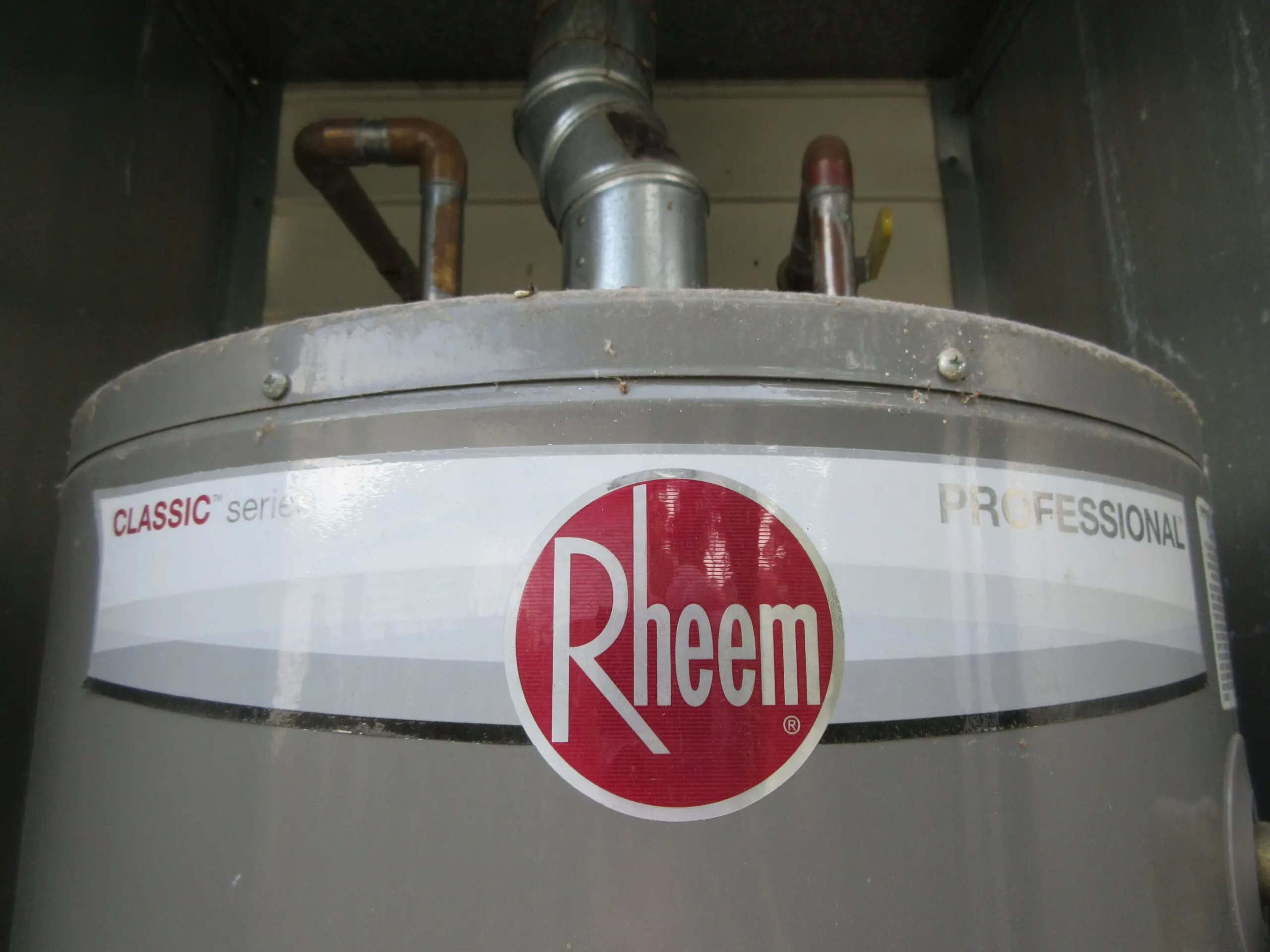
Bay Area Air District Delays Gas Water Heater Rule to 2028 and Exempts About Half of Households
The Bay Area Air District board voted on Wednesday, November 4, 2026, to push back its zero-emission water heater rule by one year. The requirement now starts in January 2028 instead of January 2027, and the board added exemptions that Air District staff expect will cover roughly half of Bay Area households, KQED reported. The rule applies across the nine-county region, which includes San Francisco.
What the rule requires
The rule, Regulation 9, Rule 6, sets a zero-NOx emissions standard for residential water heaters. In practice, the models that meet it today are heat pump water heaters. According to the Air District’s announcement of the vote, the standard applies only when a property owner replaces an existing water heater. It does not require anyone to remove a working appliance, it does not stop repairs, and it does not apply to stoves, dryers or fireplaces.
So for a San Francisco homeowner, nothing changes on the day the rule starts. The rule comes into play when a gas water heater fails or is replaced after January 2028: the new unit has to meet the zero-NOx standard unless the property qualifies for an exemption.
Who is exempt
The amendments adopted on November 4 create these exemption categories, per the Air District and KQED:
- Lower-income owners: property owners earning less than 80 percent of Area Median Income, including participants in programs such as Medi-Cal or CalFresh, and households that pay more than 28 percent of their income toward their mortgage and property taxes. KQED reports that owners will self-report eligibility through an online portal.
- Space-constrained homes: properties without enough room or ventilation to install a compliant unit.
- Electrical limits: homes with panels below 100 amps, insufficient panel capacity, or a need to run electrical lines more than 50 feet. KQED reports that a contractor would need to document these constraints, and that the space and electrical exemptions are one-time exemptions.
- Small units: water heaters of 30 gallons or less, and mobile home water heaters, do not have to meet the standard.
The rule also allows temporary installations in emergencies. Water heaters in multifamily buildings and deed-restricted affordable housing, along with certain product types such as hydronic units and large water heaters, get a later compliance date of January 1, 2033. KQED describes the multifamily extension as applying to buildings of more than five units.
What it costs
Air District staff estimate that a heat pump water heater costs roughly $3,500 more upfront than a comparable gas model, according to KQED. Supporters of the rule cited research from RMI estimating about $360 a year in savings for a Bay Area household that switches from gas to a heat pump, and SPUR’s projection of $315 million in home energy rebates available over the next three years, according to statements released after the vote. The Air District says property owners can find the compliance timeline, exemption details and available rebates on its Building Appliances page.
Why the Air District regulates water heaters
Rule 9-6 has limited nitrogen oxide emissions from gas water heaters since 1992, and the Air District amended it in 2023 to set the zero-NOx standard. A companion rule passed the same year phases out new gas furnaces starting in 2029, KQED reports. Air District analysis found that pollution from gas water heaters and furnaces causes as many as 85 premature deaths and 15,000 asthma attacks in the Bay Area each year.
“Water heaters are a significant source of air pollution in the Bay Area, and cleaner alternatives can help people live longer, healthier lives,” Air District Executive Officer Dr. Philip Fine said in the announcement. Board Chair Lynda Hopkins said the board “raised real questions about cost and implementation in May,” and that the adopted rule “reflects what we heard.”
Hundreds of people commented before the vote. KQED reports that environmental, medical, religious and youth groups largely supported the rule, while homeowner groups largely opposed it on affordability grounds. A few board members voted against the changes or left the meeting in opposition to the regulation as a whole.
What San Francisco owners can do now
For an owner whose gas water heater is near the end of its life, the practical steps are to check the exemption categories above, have a contractor look at panel capacity and space if a heat pump model is under consideration, and check the Air District’s rule implementation page for rebates before buying. Under the amended rule, the zero-NOx requirement takes effect in January 2028.
For more on how San Francisco’s energy supply could change, see our explainer on the city’s push to take over PG&E’s local grid.
Sources: KQED, Laura Klivans, Nov. 4, 2026; Bay Area Air District announcement of the Nov. 4 vote, as published by ContraCosta.news; Bay Area Air District, Rules 9-4 and 9-6.
Photo: Infrogmation of New Orleans, CC BY-SA 4.0, via Wikimedia Commons.
More SF News
 San Francisco Signal Will Open Its First Home Season January 10 at Bill Graham Civic AuditoriumNov 7, 2026
 How SF Artists Can Qualify for 93 Affordable Apartments at 1687 Market StreetNov 7, 2026
 California’s Great America Will Close After Labor Day 2027, Making Next Season Its LastNov 7, 2026
 Castro Muni Station’s New Four-Stop Elevator Opens, Adding Street-Level Access From Market StreetNov 6, 2026