
Prop H and Measure RTM Pass Easily, Heading Off Muni, BART and Caltrain Service Cuts
Voters in San Francisco and four other Bay Area counties approved two transit tax measures on Tuesday, November 3, 2026, by margins wide enough that campaigns on both declared victory on election night. San Francisco’s Proposition H, a 15-year parcel tax for Muni, led with 72.4 percent yes in the Department of Elections’ 11:45 p.m. report, according to the San Francisco Public Press results tracker. Regional Measure RTM, a 14-year sales tax for BART, Muni, Caltrain, AC Transit and other operators, led with about 62 percent across the five counties, KQED and Mission Local reported. In San Francisco alone, RTM drew 77.6 percent yes.
These are preliminary election-night totals. Counting continues, San Francisco’s next scheduled update is Wednesday, November 4 at 4 p.m., and results are certified in early December.
What the two measures do
Regional Measure RTM adds a 1 percent sales tax in San Francisco and a 0.5 percent sales tax in Alameda, Contra Costa, San Mateo and Santa Clara counties for 14 years. It is expected to raise close to $1 billion a year for transit operations, including BART, Muni, Caltrain, AC Transit and San Francisco Bay Ferry, according to Mission Local. KQED reports the money also covers fare discounts, accessibility and wayfinding programs, and that under SB 63, the state law that authorized the vote, the agencies must now undergo a financial efficiency review. Our July report on how the measure qualified for the ballot explains the deficit it was written to close and the $590 million state loan that has carried the agencies through this fiscal year.
Proposition H is a San Francisco parcel tax for Muni alone, levied for 15 years at rates that vary by property type and size. Mission Local reports rates starting at $129 a year for a single-family home, $249 for a multifamily residential property and $799 for a commercial property. Estimates of the annual revenue differ by source: Mission Local reports $177 million a year and KQED $184 million.
The cuts that were on the table
Both measures were pitched as a way to avoid deep service cuts as pandemic-era aid runs out. KQED and Mission Local list the contingency plans the agencies had published:
- Muni: up to 20 routes cut, longer waits on remaining routes, service ending at 9 p.m., and the end of cable car and historic streetcar service if both measures failed.
- BART: up to 15 stations closed and trains ending at 9 p.m.
- Caltrain: a third of stations closed and weekend service eliminated.
With both measures leading by wide margins, those plans are off the table for now. The opposing Committee for Affordable Bay Area Transit argued before the vote that the agencies overstated the cuts and that RTM’s accountability rules are weak, KQED reported.
What it means for riders and visitors
Service does not change this week. KQED reports the new tax money begins flowing to the agencies next year; when the measure qualified in July, the Metropolitan Transportation Commission put the start of revenue at around July 2027. For anyone planning a trip, the practical result is that the cable cars, historic streetcars, late-evening Muni and BART service and weekend Caltrain trains are no longer facing the cutoffs the agencies had described.
Shoppers will see the change at the register once the tax takes effect: in San Francisco, the rate rises by one percentage point.
For getting around this month, see things to do in San Francisco in November 2026, which includes this week’s US-101 closure and the SF Bay Ferry schedule changes. For the other closely watched local measure, see our report on voters rejecting Prop G and keeping Sunset Dunes car-free.
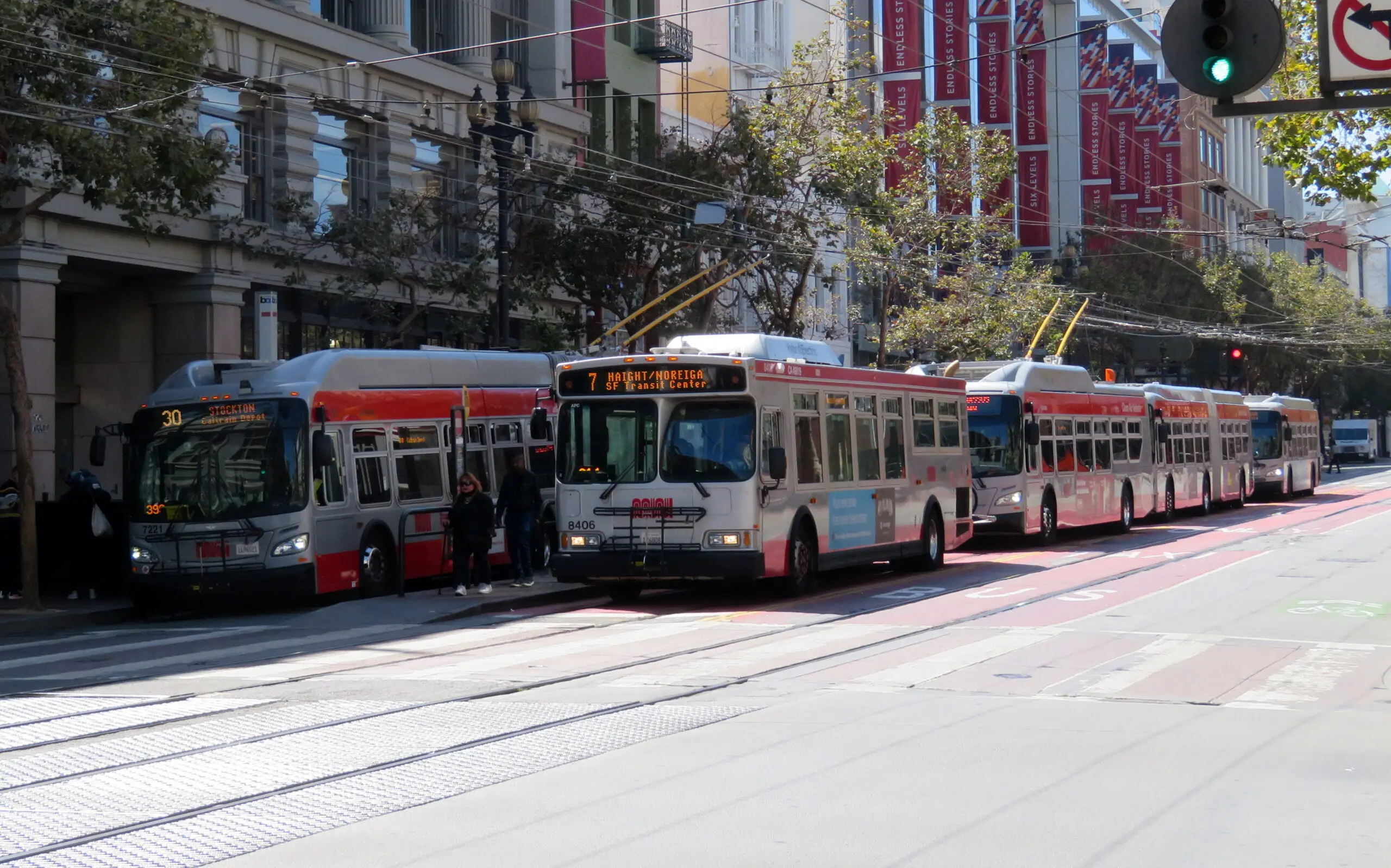
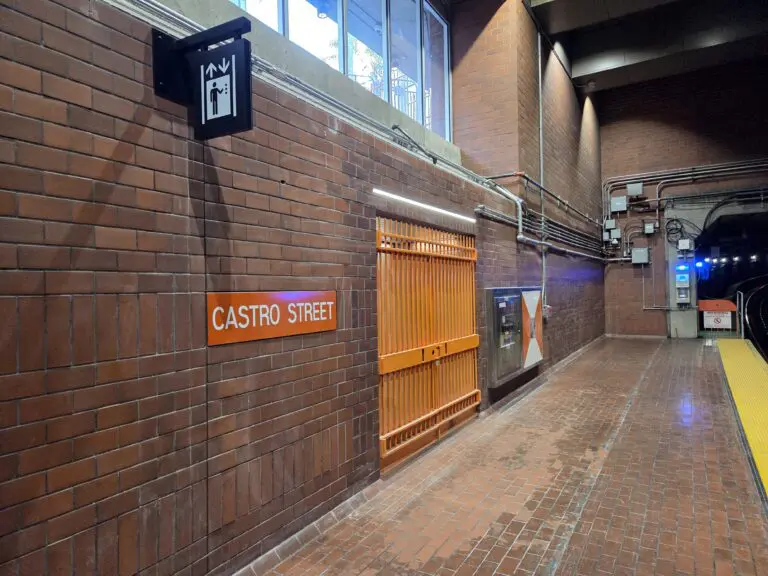
Photo: Pi.1415926535, CC BY-SA 3.0, via Wikimedia Commons.
More SF News
 San Francisco Signal Will Open Its First Home Season January 10 at Bill Graham Civic AuditoriumNov 7, 2026
 How SF Artists Can Qualify for 93 Affordable Apartments at 1687 Market StreetNov 7, 2026
 California’s Great America Will Close After Labor Day 2027, Making Next Season Its LastNov 7, 2026
 Castro Muni Station’s New Four-Stop Elevator Opens, Adding Street-Level Access From Market StreetNov 6, 2026