
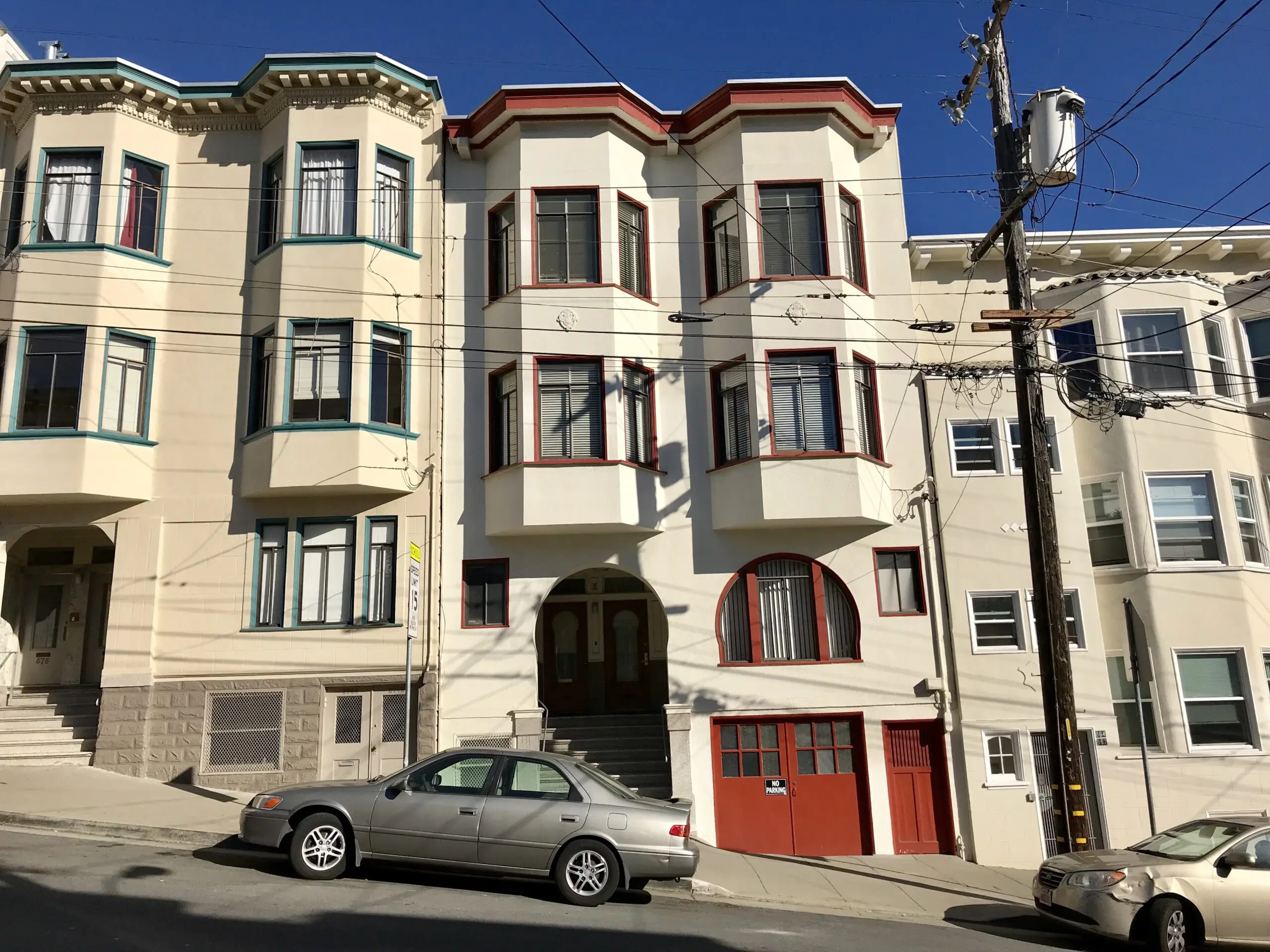
Appeals Court Strikes Down San Francisco’s Empty Homes Tax
A California appeals court has ruled that San Francisco cannot collect its Empty Homes Tax, holding that the voter-approved measure conflicts with state law. The First District Court of Appeal issued the unanimous decision on Friday, September 11.
Justice Kathleen Banke wrote the opinion, joined by Justices Monique Langhorne Wilson and Charles Smiley. The court held that the Ellis Act, a 1985 state law, bars public entities from compelling owners to rent out residential property. The decision affirms San Francisco Superior Court Judge Charles Haines, who struck the tax down in October 2024.
What the Tax Would Have Done
Proposition M passed with 54.5 percent of the vote in November 2022. It applied to buildings with three or more units and charged owners between $2,500 and $20,000 per unit that sat empty for more than six months, with the amount set by unit size and by how long the vacancy ran. The money was earmarked for rent subsidies and affordable housing.
The San Francisco Controller’s Office estimated in August 2022 that the tax would raise about $20 million in its first year, $30 million the year after and up to $37 million by 2026 if vacancy patterns held steady.
None of it was ever collected. After the 2024 trial court loss, the Board of Supervisors voted 9 to 2 in early 2025 to suspend collection and administration while the city pursued its appeal.
The City’s Response
Jen Kwart, a spokesperson for City Attorney David Chiu’s office, said the city was disappointed by the ruling but respected the court’s decision. The city has not said whether it will ask the California Supreme Court to review the case.
Why the Timing Matters
The ruling landed a day after Mayor Daniel Lurie declared a rent emergency, citing a 26 percent rise in median rents and a 44 percent rise in eviction notices over the past year.
Proposition M was one of the few San Francisco housing measures aimed at supply rather than at what landlords may charge. The idea was to make holding a unit empty expensive enough that owners would rent it out. The proposals now in front of the Board of Supervisors work the other way, restricting evictions and capping increases for people already housed. The court has removed the supply-side tool from the city’s hands while the rent problem it was written for has grown.
For visitors and new arrivals trying to read the city’s housing picture, the practical effect is narrow: the tax was never collected, so nothing changes on the ground today. What changes is the range of options the city has left.
Sources: San Francisco Chronicle, Hoodline, The Real Deal.
Photo: bryan…, CC BY-SA 2.0, via Wikimedia Commons.
More SF News
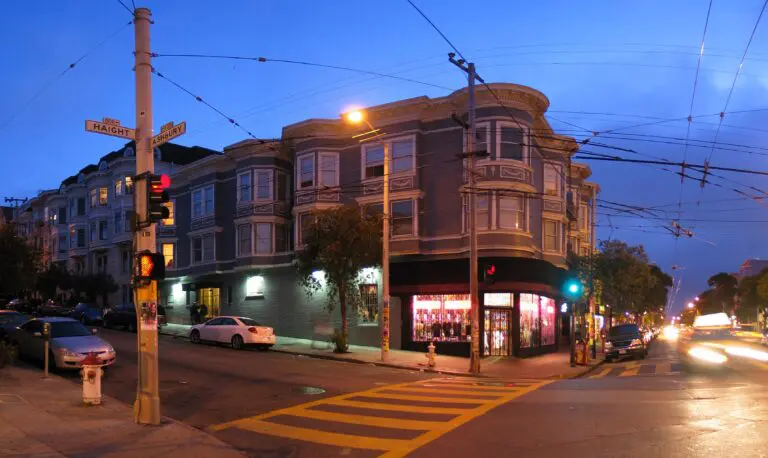 KEXP and Blue Bear Chosen to Remake the Haight and Ashbury Corner BuildingSep 19, 2026
 Mexican Navy Tall Ship Cuauhtemoc Opens to the Public at Piers 15-17 September 23Sep 19, 2026
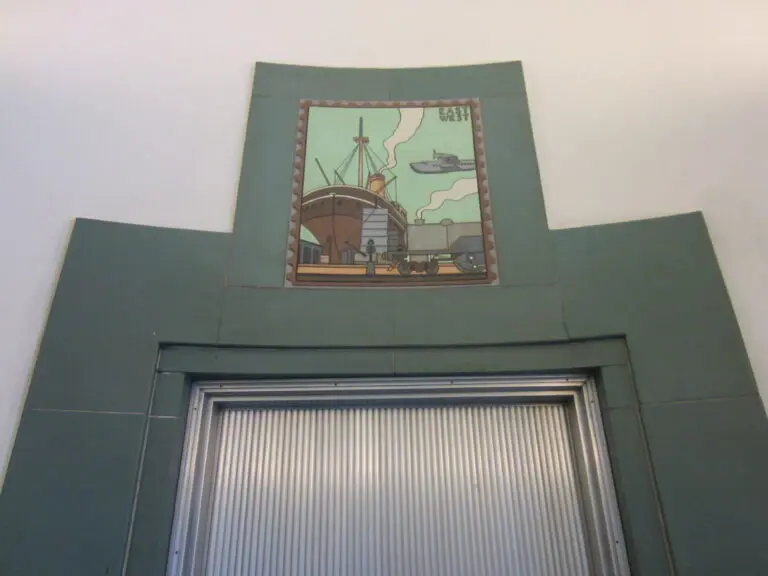 Yank Sing Closes Its Rincon Center Dim Sum Room September 20Sep 19, 2026
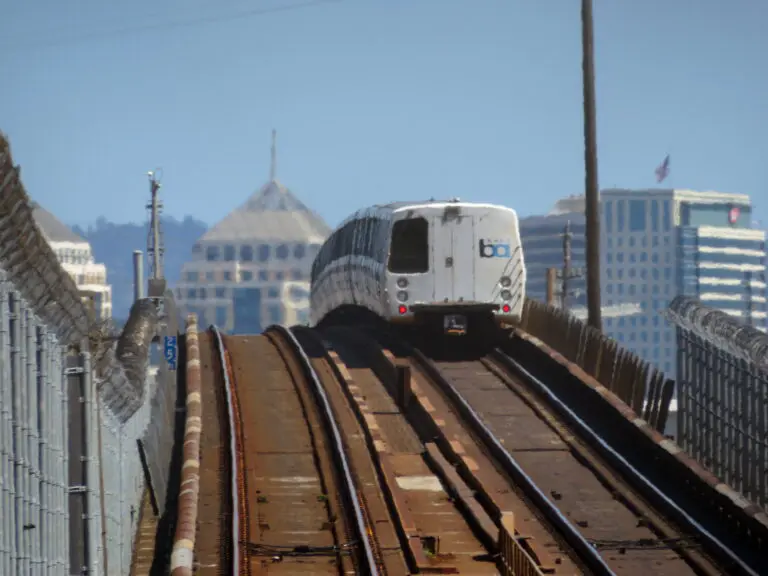 BART Audit Finds Quality-Control Failures in Transbay Tube Bolt WorkSep 18, 2026