
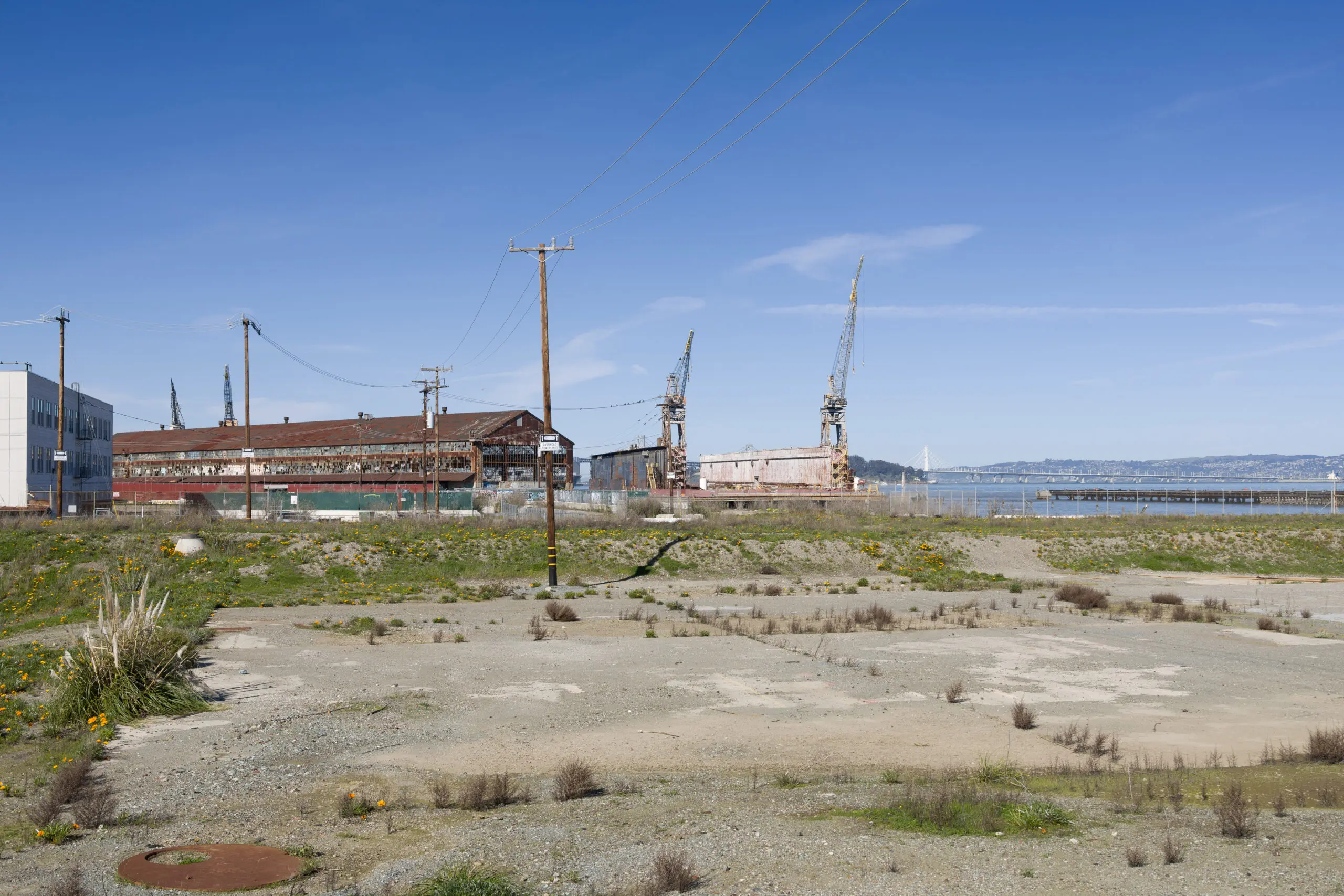
Pier 70 Developer Seeks Approval for 600 More Homes on the Dogpatch Waterfront
Brookfield Properties is asking San Francisco to approve about 600 more homes at Pier 70, its long-planned redevelopment of the 28-acre former shipyard on the Dogpatch waterfront. The proposal, reported by the San Francisco Chronicle on July 15 and The Real Deal on July 16, would raise the site’s maximum residential count from 2,150 units to 2,750, an increase of roughly 28 percent.
What Brookfield Is Proposing
Along with the higher unit count, Brookfield wants to raise the height limit for the residential buildings from 70 feet to 90 feet, the maximum allowed under the project’s existing voter-approved framework. Tim Bacon, Brookfield’s vice president of development, told The Real Deal the added density would let the company break ground in 2027 on its first market-rate apartment building at the site, a 350-unit project that would gain about 70 extra units under the revised plan. The first phase would grow to 700 homes, up from a previous 575.
The changes are aimed at restarting a project that has stalled along with much of the city’s market-rate housing pipeline. One tradeoff is drawing scrutiny: the total number of affordable units would stay the same, so the below-market share of the larger project would fall from roughly 30 percent to about 20 percent.
What Pier 70 Is Today
Pier 70 is the historic Union Iron Works shipyard south of Mission Bay, where ships were built and repaired starting in the 19th century. Parts of the site are already open: the rehabilitated Building 12 houses food and retail tenants, and Crane Cove Park sits at the northern edge with its preserved shipyard cranes. The residential blocks planned between the historic buildings have not yet been built.
What Happens Next
The proposal needs city approval before construction can start, with Brookfield targeting a 2027 groundbreaking for the first apartment building. Elsewhere in the southeastern part of the city, the Candlestick Point redevelopment began construction in 2026.
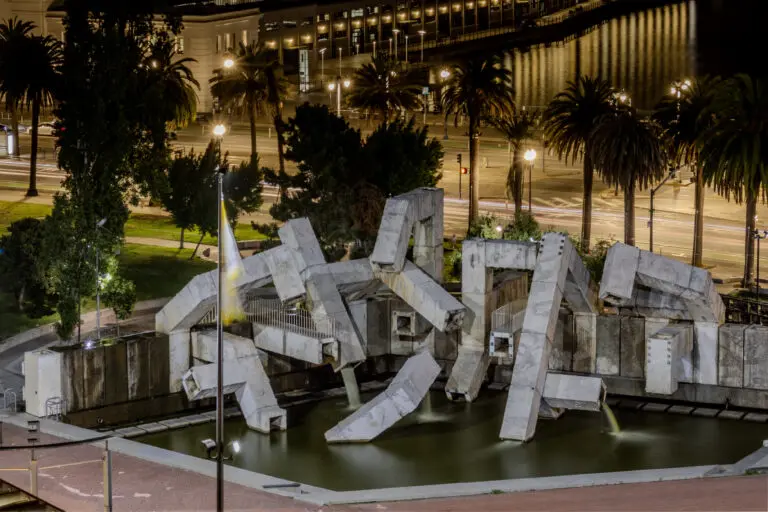
Photo: Clyde Charles Brown, CC BY-SA 4.0, via Wikimedia Commons.
More SF News
 Shinka Replaces Prelude at The Jay Hotel With a Japanese-French Tasting MenuOct 19, 2026
 Relics of St. Francis and St. Clare Are on View Free at St. Mary’s Cathedral Through November 28Oct 19, 2026
 House of Air at Crissy Field Will Close February 15, 2027 as Its Presidio Lease EndsOct 18, 2026
 Embarcadero Park Pavilion: Three Designs Go to the Arts Commission October 19Oct 18, 2026