
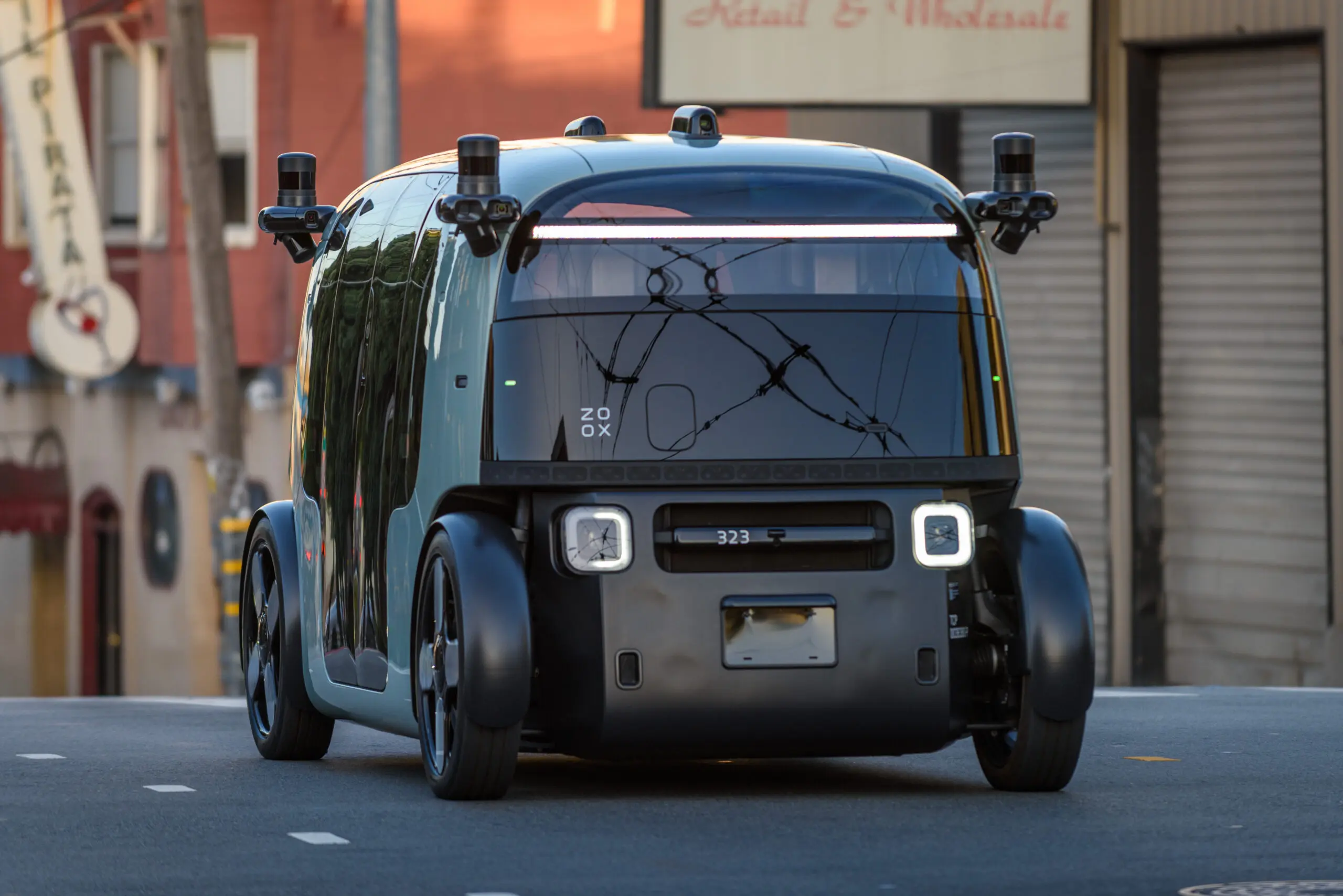
Zoox Wins Federal Approval to Charge for Robotaxi Rides, But Not Yet in San Francisco
Federal regulators cleared Amazon-owned Zoox to start charging passengers for rides in its purpose-built robotaxi on Thursday, July 30, 2026. The first paid service will run in Las Vegas, and San Francisco is on the company’s list of markets to follow, though paid rides here still depend on two California permits that Zoox does not yet hold.
What the federal decision does
The National Highway Traffic Safety Administration granted Zoox a temporary exemption from eight federal motor vehicle safety standards, including rules covering windshield defrosting and light vehicle braking systems. Those standards were written for cars with a driver in them. The Zoox vehicle has no steering wheel and no pedals, so it could not comply with them as written. The decision was published in the Federal Register and announced alongside a package of other autonomous vehicle actions from the agency.
The exemption is capped. NHTSA limited Zoox to a commercial fleet of up to 2,500 vehicles per year for two years, and attached what the agency called an “enhanced, adaptable oversight structure that can evolve as Zoox’s technology advances.” Zoox also has to stop claiming its vehicles meet the specific standards it has been exempted from.
“We are honored to receive the first-ever commercial exemption for a purpose-built robotaxi from NHTSA, enabling us to begin charging for our service and take another step toward bringing autonomous ride-hailing to more communities,” Zoox chief executive Aicha Evans said in a statement.
What it changes in San Francisco right now
Nothing, for the moment. Zoox has been carrying passengers in parts of San Francisco under a separate NHTSA exemption granted in August 2025, and those rides are free. Thursday’s decision removes a federal barrier to charging for them, but it does not grant permission to operate a paid service in California.
Zoox is headquartered in California and tests its vehicles here. To charge San Francisco riders, the company needs driverless deployment permits from the California Public Utilities Commission and the Department of Motor Vehicles. Those are separate state processes with their own timelines, and neither agency acted on Thursday. A Zoox spokesperson told TechCrunch that additional markets will follow Las Vegas as the company completes state-level requirements.
The practical read for anyone in San Francisco: the free-ride program is the only way to sit in a Zoox here, and there is no announced date for paid service in the city.
The wider agency shift
The Zoox exemption came as part of a broader NHTSA announcement. The agency said it is updating its exemption process to let automakers temporarily sell a limited number of non-compliant vehicles, largely to test new technology. It also said it is funding a three-year, $5 million consortium with SAE Industry Technologies Consortia to gather data toward a single national standard for autonomous vehicle safety, and that it is reviewing an exemption application from Los Angeles delivery startup Robomart.
“By removing unnecessary barriers to innovation, developing industry guidance, and providing strong enforcement oversight while we create performance requirements, NHTSA is taking a balanced approach to AV regulation,” NHTSA Administrator Jonathan Morrison said in a statement.
Sources
Reporting on the exemption from TechCrunch, the decision as published in the Federal Register, and NHTSA’s own announcement.
For other transport changes this month, see our coverage of Muni payment changes and BART’s August schedule change, plus things to do in San Francisco in August.
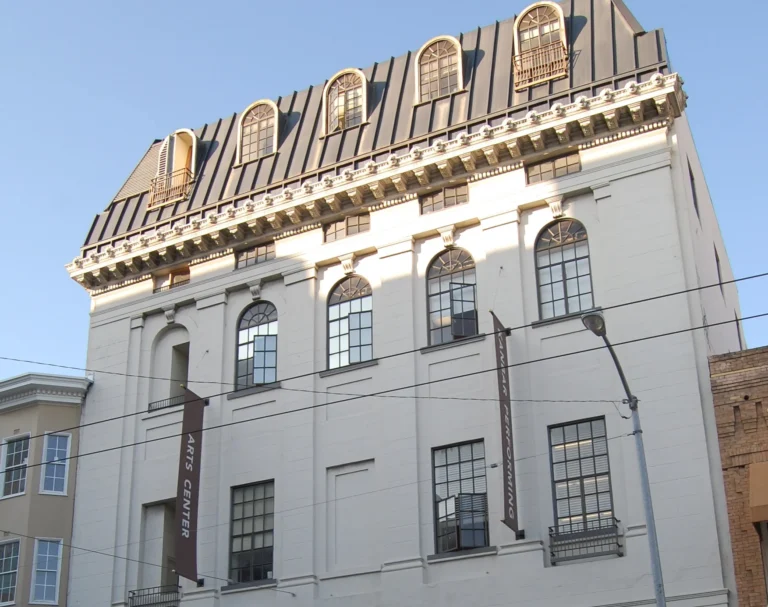
Photo: 9yz, CC BY 4.0, via Wikimedia Commons.
More SF News
 San Francisco Cuts License Plate Reader Data Retention to 30 Days Under New Lurie RulesSep 30, 2026
 Alcatraz Island Closes October 26 to November 18 for Ferry Dock RepairsSep 30, 2026
 San Francisco Picks Two Finalist Names to Replace Cesar Chavez Street: Sí Se Puede or Las CampesinasSep 29, 2026
 SF Girls Chorus Lists Its Page Street Home, the Former New Druid Temple, for $13.75 MillionSep 28, 2026