
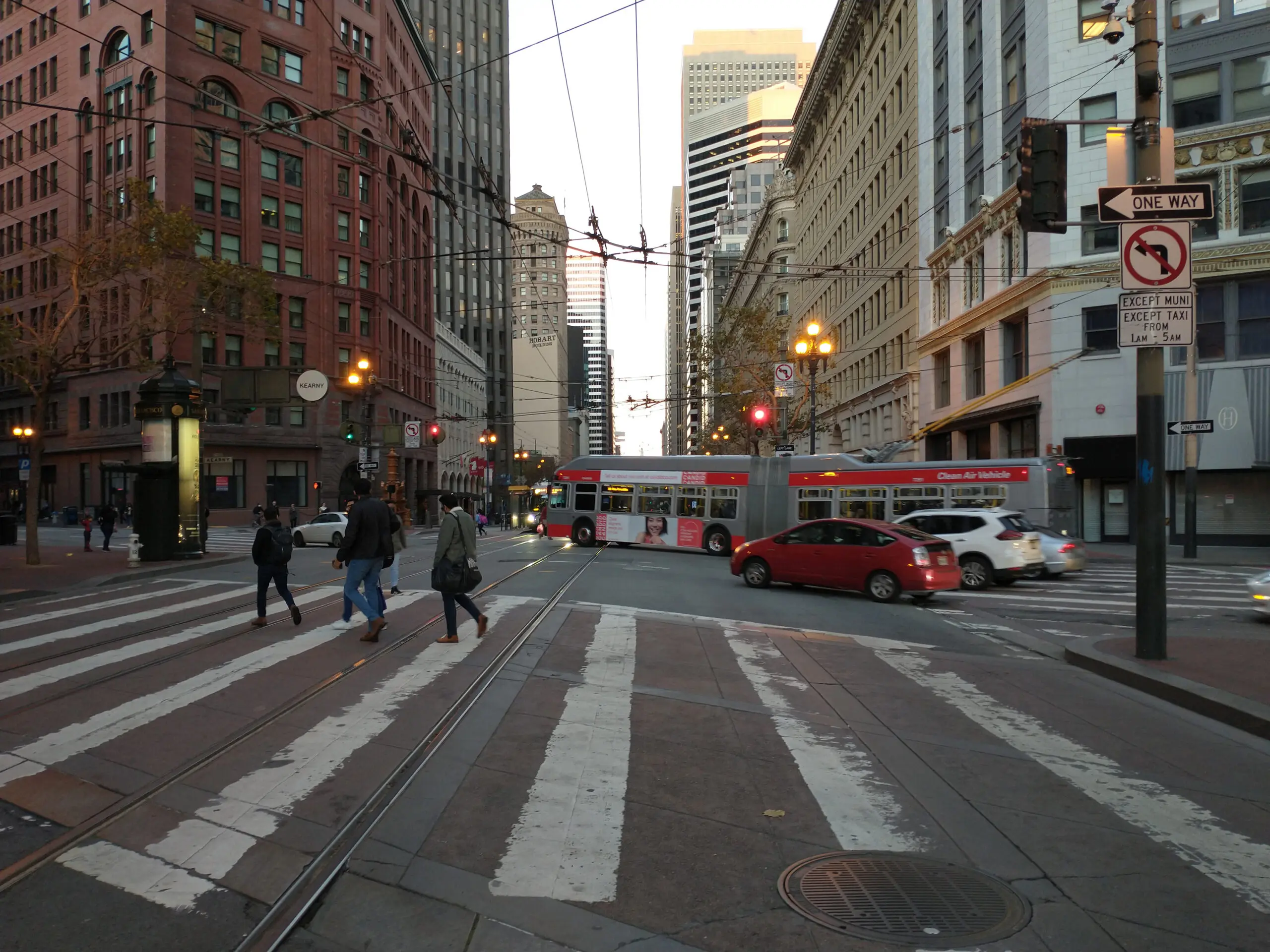
SFMTA Reports 100 Fatal or Severe Crashes in the First Half of 2026
San Francisco recorded 100 fatal or severe injury crashes in the first six months of 2026, up from 96 in the same period of 2025, according to an update presented to the SFMTA’s Street Safety Committee. The 2026 figure is also above the 92 recorded in 2014, the year the city signed its Vision Zero pledge to eliminate traffic deaths within a decade.
Overall injury collisions fell. It is the fatal and severe category that rose, by about 8 percent. Streetsblog San Francisco, SFist and ABC7 all reported the figures on August 5.
What the agency points to
The SFMTA cites automated speed enforcement as its clearest area of progress. The agency reported earlier this year that the share of drivers traveling at least 10 miles per hour over the limit fell about 79 percent at camera locations during the program’s first year. There are 33 cameras, the maximum state law allows, and city supervisors voted in July to ask Sacramento to lift that cap, covered in our post on the 33-camera cap.
The agency also attributes part of the increase to stand-up powered devices. An SFMTA spokesperson told Streetsblog that injury collisions involving them rose 32 percent in 2025 over 2024, to 316 reported injury crashes. Christopher Colwell of San Francisco General Hospital’s trauma center told ABC7 the hospital is seeing more head and facial injuries.
On the project side, the report says planned safety and transit reliability work will improve 62 percent of the city’s High Injury Network and add roughly 50 new painted safety zones a year.
What the advocates say
Marta Lindsey of Walk San Francisco told ABC7 the cameras are changing driver behavior, but that they are only at 33 locations. Walk SF counts 12 pedestrian deaths so far in 2026, against nine at the same point in 2025. Streetsblog, citing city data, counted 11 pedestrian deaths in the first six months of this year and 17 across all of 2025.
Luke Bornheimer of Streets Forward said the data confirms that “street safety remains a constant issue and the city isn’t doing enough to make it safe, fast, and easy to get around our city.” Claire Amable, director of advocacy at the San Francisco Bicycle Coalition, said the group has consistently argued that slower speeds and better infrastructure reduce serious injuries and deaths.
The High Injury Network
San Francisco concentrates its street safety work on the High Injury Network, about 12 percent of city streets where more than 68 percent of severe and fatal crashes occur. As we reported in July, District 6, which covers SoMa and much of downtown, records the highest number of crashes involving injuries or deaths in the city, and holds seven of the 33 speed cameras.
A separate measure is already moving. The SFMTA board voted on July 21 to lower speed limits near about 230 school campuses over two years, covered in our post on the school speed limit changes.
What it changes right now
Nothing on the ground. This is a status report on a ten-year target the city has not hit, and the projects it describes are still ahead. For anyone walking, riding or driving here, the practical detail is that the marked speed camera corridors and the High Injury Network overlap with the downtown and SoMa streets visitors use most.
Figures from the SFMTA’s Street Safety Committee update and the city’s traffic fatalities data. Streetsblog San Francisco, SFist and ABC7 carried the report.
For getting around without a car, see our coverage of the August 29 Muni service changes and things to do in San Francisco in August.
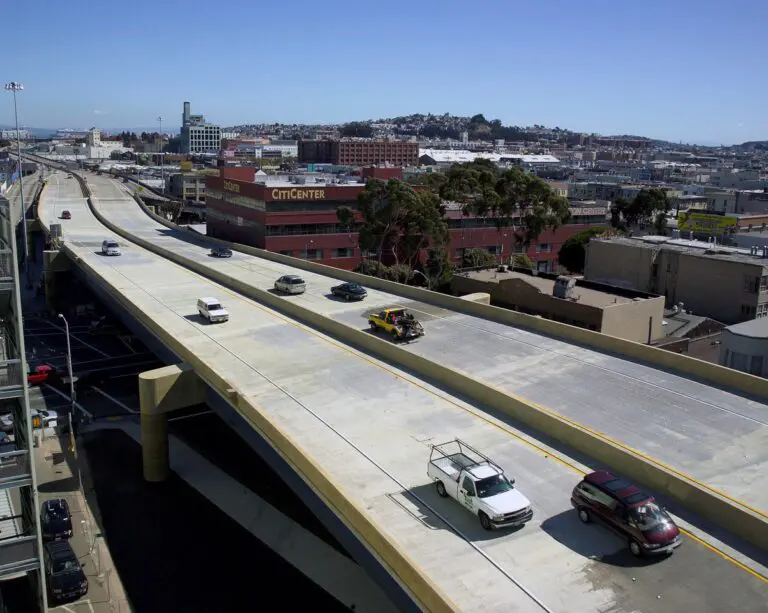
Photo: Alfred Twu, CC0, via Wikimedia Commons.
More SF News
 House of Air at Crissy Field Will Close February 15, 2027 as Its Presidio Lease EndsOct 18, 2026
 Embarcadero Park Pavilion: Three Designs Go to the Arts Commission October 19Oct 18, 2026
 San Francisco Speed Cameras Cut Excess Speeding 84 Percent in 18 Months, SFMTA Report SaysOct 17, 2026
 Westbound I-80 Closes Through SoMa October 23 to 26 for Bayshore Viaduct WorkOct 17, 2026